-
Unlocking the Potential: Use Cases of Enterprise Generative AI Solution for Logistics
In the dynamic world of logistics, where efficiency and precision are paramount, leveraging advanced technologies is essential to stay ahead of the curve. Among the innovative solutions reshaping the logistics landscape, the Enterprise Generative AI Solution stands out for its ability to optimize operations, enhance decision-making, and drive efficiency. In this comprehensive guide, we will delve into the diverse use cases of the Enterprise Generative AI Solution for logistics, exploring how it revolutionizes various aspects of the industry.
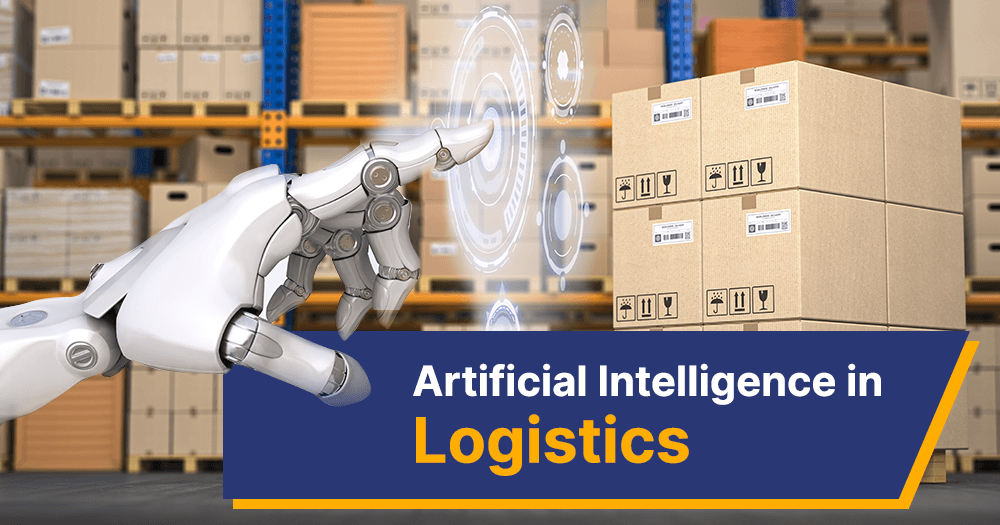
Understanding the Enterprise Generative AI Solution for Logistics
Unpacking Enterprise Generative AI Solution
The Enterprise Generative AI Solution for logistics is a sophisticated technology powered by artificial intelligence (AI) algorithms that analyze vast datasets to generate actionable insights for logistics operations. By harnessing machine learning and predictive analytics, this solution enables logistics companies to optimize routes, forecast demand, manage inventory, and enhance overall efficiency.
Key Components of Enterprise Generative AI Solution
- Data Integration: The solution integrates data from multiple sources, including historical shipment data, real-time traffic information, weather forecasts, and customer preferences.
- AI Algorithms: Advanced AI algorithms analyze the integrated data to identify patterns, trends, and anomalies, enabling the solution to make accurate predictions and recommendations.
- Decision Support: The solution provides decision support tools that enable logistics managers to make informed decisions based on the insights generated by the AI algorithms.
- Optimization Engines: Optimization engines within the solution optimize various aspects of logistics operations, such as route planning, load balancing, and inventory management.
Exploring Use Cases of Enterprise Generative AI Solution for Logistics
1. Route Optimization
One of the primary use cases of the Enterprise Generative AI Solution is route optimization. By analyzing historical data, traffic patterns, delivery constraints, and real-time information, the solution can generate optimized routes for delivery vehicles. This results in minimized travel time, reduced fuel consumption, and improved overall efficiency.
2. Demand Forecasting
Demand forecasting is another critical application of the Enterprise Generative AI Solution. By analyzing historical sales data, market trends, and external factors, the solution can predict future demand for products accurately. This enables logistics companies to optimize inventory levels, allocate resources effectively, and meet customer demand with precision.
3. Inventory Optimization
The Enterprise Generative AI Solution plays a vital role in optimizing inventory management processes. By analyzing sales data, supply chain dynamics, lead times, and demand forecasts, the solution can recommend optimal inventory levels for each product SKU. This helps minimize stockouts, reduce carrying costs, and improve overall inventory efficiency.
4. Dynamic Pricing
Dynamic pricing is another use case where the solution can make a significant impact. By analyzing market conditions, competitor pricing, customer behavior, and demand forecasts, the solution can recommend optimal pricing strategies in real-time. This enables logistics companies to maximize revenue and profitability while remaining competitive in the market.
5. Risk Management
The Enterprise Generative AI Solution can help mitigate risks in logistics operations. By analyzing historical data, market trends, and external factors such as weather conditions and geopolitical events, the solution can identify potential risks and recommend mitigation strategies. This helps logistics companies minimize disruptions and ensure the continuity of operations.
6. Customer Experience Enhancement
Enhancing customer experience is a crucial use case of the Enterprise Generative AI Solution. By analyzing customer data, feedback, preferences, and delivery performance, the solution can personalize the delivery experience for each customer. This includes offering flexible delivery options, proactive notifications, and real-time tracking, thereby improving overall customer satisfaction and loyalty.
Advantages of Enterprise Generative AI Solution for Logistics
1. Improved Efficiency
The Enterprise Generative AI Solution helps logistics companies improve efficiency across the board. By optimizing routes, forecasting demand, managing inventory, and enhancing decision-making, the solution streamlines operations and reduces costs.
2. Enhanced Accuracy
With advanced AI algorithms, the solution provides accurate predictions and recommendations, resulting in fewer errors and better decision-making. This leads to improved resource allocation, minimized waste, and optimized inventory levels.
3. Cost Savings
By optimizing various aspects of logistics operations, the Enterprise Generative AI Solution helps reduce costs and improve profit margins. This includes minimizing fuel consumption, optimizing inventory levels, and maximizing revenue through dynamic pricing strategies.
4. Scalability
The solution is highly scalable, allowing logistics companies to adapt to changing business needs and scale their operations as required. Whether expanding into new markets or dealing with seasonal fluctuations in demand, the solution can accommodate varying workload levels with ease.
5. Competitive Advantage
By leveraging advanced AI technology, logistics companies can gain a competitive advantage in the market. The Enterprise Generative AI Solution enables them to differentiate themselves from competitors by offering faster delivery times, better pricing, and superior customer service.
Conclusion
The Enterprise Generative AI Solution has emerged as a game-changer for the logistics industry, offering a wide range of use cases that drive efficiency, accuracy, and cost savings. From route optimization and demand forecasting to inventory management and customer experience enhancement, the solution empowers logistics companies to thrive in today’s competitive landscape. By harnessing the power of AI, logistics companies can unlock new opportunities, overcome challenges, and achieve sustainable growth in the years to come.
-
The Essential Role and Impact of Enterprise Generative AI Platforms for Private Equity
In the fast-paced and data-driven world of private equity, staying ahead of the competition requires strategic decision-making, informed investment strategies, and effective portfolio management. With the advent of advanced technologies like artificial intelligence (AI), private equity firms are increasingly turning to enterprise generative AI platforms to gain a competitive edge, drive innovation, and maximize returns. In this article, we delve into the crucial need, multifaceted role, and myriad benefits of enterprise generative AI platform for private equity on the industry landscape.

Understanding the Need for Enterprise Generative AI Platform in Private Equity
Private equity firms operate in a complex ecosystem characterized by evolving market dynamics, increased competition, and growing investor expectations. In such a dynamic environment, the need for robust data analytics, predictive insights, and automation capabilities is paramount. Traditional approaches to investment analysis and portfolio management are no longer sufficient to meet the demands of today’s private equity landscape. Enterprise generative AI platform for private equity offers a compelling solution by harnessing the power of AI and machine learning algorithms to unlock valuable insights, identify investment opportunities, and optimize portfolio performance.
1. Data Complexity and Scale
Private equity deals involve vast amounts of structured and unstructured data, ranging from financial statements and market reports to news articles and social media sentiment. Analyzing this data manually is time-consuming and error-prone, leading to missed opportunities and suboptimal investment decisions. Enterprise generative AI platforms address this challenge by automating data collection, processing, and analysis, enabling private equity professionals to extract actionable insights from large and diverse datasets efficiently.
2. Competitive Advantage
In today’s competitive private equity landscape, gaining a competitive advantage is essential for success. Enterprise generative AI platforms provide private equity firms with advanced analytics capabilities, predictive modeling, and scenario analysis tools that enable them to identify emerging trends, assess market opportunities, and develop differentiated investment strategies. By leveraging AI-driven insights, private equity firms can make faster, more informed decisions and outperform their competitors.
3. Risk Management and Compliance
Risk management and compliance are critical considerations for private equity firms, given the regulatory environment and potential financial implications of investment decisions. Enterprise generative AI platforms offer sophisticated risk assessment tools, scenario modeling capabilities, and compliance monitoring solutions that help private equity firms identify and mitigate risks proactively. By leveraging AI-driven risk management capabilities, private equity firms can minimize exposure to regulatory fines, reputational damage, and financial losses.
The Role of Enterprise Generative AI Platforms in Private Equity
Enterprise generative AI platforms play a multifaceted role in private equity, offering a range of capabilities and functionalities that drive value creation, enhance decision-making, and optimize operational efficiency. Let’s explore the key roles played by these platforms:
1. Investment Analysis and Due Diligence
One of the primary roles of enterprise generative AI platforms in private equity is to facilitate investment analysis and due diligence processes. These platforms leverage advanced analytics, machine learning, and natural language processing (NLP) techniques to analyze large volumes of data, including financial statements, market reports, and industry benchmarks. By automating data collection, analysis, and insights generation, these platforms enable private equity professionals to evaluate investment opportunities more comprehensively and make data-driven decisions.
2. Portfolio Management and Optimization
Enterprise generative AI platforms play a crucial role in portfolio management and optimization, helping private equity firms monitor portfolio performance, identify value creation opportunities, and optimize asset allocation strategies. These platforms provide real-time visibility into portfolio companies’ financial health, operational metrics, and market dynamics, allowing private equity professionals to assess performance, identify trends, and adjust investment strategies accordingly. Additionally, AI-driven predictive modeling and scenario analysis tools enable private equity firms to simulate various scenarios, assess potential outcomes, and make informed decisions to optimize portfolio returns.
3. Deal Sourcing and Pipeline Management
Another key role of enterprise generative AI platforms in private equity is facilitating deal sourcing and pipeline management. These platforms leverage AI-driven data mining and analysis techniques to identify and evaluate potential investment opportunities from a wide range of sources, including proprietary databases, public records, and industry networks. By automating deal screening, lead generation, and pipeline management processes, these platforms enable private equity firms to streamline deal flow, prioritize opportunities, and focus resources on the most promising investments.
Benefits of Enterprise Generative AI Platforms for Private Equity
The adoption of enterprise generative AI platforms offers a myriad of benefits for private equity firms, ranging from enhanced decision-making and operational efficiency to improved risk management and regulatory compliance. Let’s explore some of the key benefits:
1. Enhanced Decision-Making
Enterprise generative AI platforms empower private equity professionals with actionable insights, predictive analytics, and scenario modeling capabilities that enable them to make faster, more informed investment decisions. By leveraging AI-driven data analysis and predictive modeling, private equity firms can assess investment opportunities more comprehensively, identify potential risks and opportunities, and develop data-driven investment strategies that maximize returns.
2. Operational Efficiency
The automation capabilities of enterprise generative AI platforms streamline manual processes, reduce administrative burden, and improve operational efficiency within private equity firms. By automating data collection, analysis, and insights generation, these platforms free up valuable time and resources, allowing private equity professionals to focus on value-added activities such as deal sourcing, due diligence, and portfolio management. Additionally, AI-driven workflow automation tools enable private equity firms to standardize processes, reduce errors, and increase productivity across the organization.
3. Risk Mitigation and Compliance
Enterprise generative AI platforms provide advanced risk management and compliance monitoring capabilities that help private equity firms identify, assess, and mitigate risks proactively. By leveraging AI-driven risk assessment tools, predictive analytics, and scenario modeling techniques, private equity firms can anticipate potential risks, evaluate their potential impact, and develop mitigation strategies to protect their investments. Additionally, AI-driven compliance monitoring solutions help private equity firms ensure adherence to regulatory requirements, industry standards, and best practices, reducing the risk of regulatory fines, reputational damage, and legal liabilities.
Conclusion
The adoption of enterprise generative AI platform is transforming the private equity industry, enabling firms to gain a competitive edge, drive innovation, and maximize returns. By harnessing the power of AI-driven analytics, predictive modeling, and automation, private equity firms can make faster, more informed investment decisions, optimize portfolio performance, and mitigate risks proactively. As the private equity landscape continues to evolve, the role and impact of enterprise generative AI platforms will only become more pronounced, shaping the future of the industry and driving sustainable growth and value creation.
-
Navigating the Future: The Evolution of Enterprise Gen AI Platform for Retail
In the fast-paced world of retail, staying ahead of the curve is essential for success. As technology continues to evolve, so too do the tools and solutions available to retailers. One such solution that holds immense promise for the future of retail is the Enterprise Generative AI Platform.

In this comprehensive guide, we’ll delve into the future of Enterprise Gen AI Platform for retail, exploring emerging trends, potential applications, and the transformative impact it could have on the industry.
Understanding the Evolution of Retail Technology
Dynamics of Retail Technology
The retail industry has always been at the forefront of technological innovation, constantly seeking new ways to enhance customer experiences, optimize operations, and drive growth. From the advent of e-commerce to the rise of omnichannel retailing, technology has played a pivotal role in shaping the retail landscape. As we look to the future, the pace of technological innovation is only expected to accelerate, with emerging technologies such as AI, machine learning, and predictive analytics poised to reshape the industry.
The Promise of AI in Retail
Artificial Intelligence (AI) has emerged as a transformative force in retail, offering retailers powerful tools to analyze data, automate processes, and personalize experiences at scale. AI-driven solutions, such as Enterprise Generative AI Platform, have the potential to revolutionize every aspect of the retail value chain, from inventory management and supply chain optimization to customer engagement and marketing.
Emerging Trends in Enterprise Gen AI Platform for Retail
Personalization at Scale
One of the most significant trends shaping the future of Enterprise Gen AI Platform for retail is the emphasis on personalization at scale. As consumers continue to demand more personalized experiences, retailers are increasingly turning to AI-driven solutions to analyze vast amounts of customer data and deliver tailored recommendations, offers, and content in real-time. By leveraging advanced machine learning algorithms, Enterprise Generative AI Platform enables retailers to create hyper-personalized experiences that resonate with individual customers, driving engagement, loyalty, and sales.
Predictive Analytics and Demand Forecasting
Another key trend in Enterprise Gen AI Platform for retail is the use of predictive analytics and demand forecasting to optimize inventory management and supply chain operations. By analyzing historical sales data, market trends, and external factors such as weather patterns and economic indicators, AI-driven solutions can accurately predict future demand for products, enabling retailers to optimize inventory levels, reduce stockouts, and minimize overstocking. This not only improves operational efficiency but also enhances customer satisfaction by ensuring products are available when and where they are needed.
Potential Applications of Enterprise Gen AI Platform in Retail
Dynamic Pricing and Revenue Optimization
Enterprise Generative AI Platform has the potential to revolutionize pricing strategies in retail by enabling dynamic pricing and revenue optimization. By analyzing market conditions, competitor pricing, and customer behavior in real-time, AI-driven solutions can adjust prices dynamically to maximize revenue and profitability. This allows retailers to optimize pricing strategies based on factors such as demand elasticity, seasonality, and competitive dynamics, resulting in increased sales and margins.
Autonomous Retail Operations
Another exciting application of Enterprise Gen AI Platform in retail is the concept of autonomous retail operations. By integrating AI-driven solutions with IoT devices, robotics, and autonomous vehicles, retailers can automate various aspects of their operations, including inventory management, store operations, and fulfillment processes. This not only improves operational efficiency but also reduces labor costs, minimizes errors, and enhances the overall customer experience.
The Transformative Impact on the Retail Industry
Enhanced Customer Experiences
Perhaps the most significant impact of Enterprise Generative AI Platform on the retail industry is its ability to enhance customer experiences. By leveraging AI-driven solutions to analyze customer data, predict preferences, and personalize interactions, retailers can create seamless and engaging experiences that drive loyalty and advocacy. From personalized product recommendations to AI-powered chatbots, Enterprise Generative AI Platform enables retailers to deliver exceptional experiences across every touchpoint, both online and offline.
Operational Efficiency and Cost Savings
In addition to improving customer experiences, Enterprise Generative AI Platform helps retailers enhance operational efficiency and drive cost savings. By automating routine tasks, optimizing inventory levels, and streamlining processes, AI-driven solutions enable retailers to reduce labor costs, minimize errors, and improve overall productivity. This allows retailers to allocate resources more effectively, invest in innovation, and remain competitive in an increasingly challenging marketplace.
Conclusion
As we look to the future of retail, Enterprise Gen AI Platform holds immense promise for driving innovation, growth, and competitiveness. By leveraging advanced AI-driven solutions, retailers can unlock new opportunities to enhance customer experiences, optimize operations, and drive business outcomes. From personalized recommendations to autonomous operations, the potential applications of Enterprise Generative AI Platform in retail are virtually limitless. As retailers continue to embrace AI technology, those that leverage Enterprise Generative AI Platform effectively will be well-positioned to thrive in the dynamic and competitive retail landscape of the future.
-
Exploring the Versatile Applications of Generative AI Platforms for Media
Generative Artificial Intelligence (AI) platforms have emerged as powerful tools for media organizations, offering a wide array of applications that revolutionize content creation, production, distribution, and audience engagement. These platforms leverage advanced machine learning algorithms to generate new content, data, or experiences autonomously, pushing the boundaries of creativity and innovation in the media industry. In this comprehensive exploration, we’ll delve into the versatile applications of Gen AI platform for media, showcasing their transformative impact across various domains.

Content Creation and Production
Gen AI platform for media streamlines content creation and production workflows for media organizations, enabling them to produce high-quality content efficiently and cost-effectively. These platforms assist in tasks such as writing articles, generating headlines, editing photos, creating videos, and composing music, empowering media professionals to focus on higher-level creative tasks and storytelling.
Automated Writing and Content Generation
Gen AI platform for media can automatically generate written content, such as articles, blog posts, and news summaries, based on predefined topics or themes. By analyzing vast datasets of existing text content, these platforms can generate coherent and informative articles that mimic human writing styles and language patterns.
Image and Video Editing
Generative AI platforms offer advanced image and video editing capabilities, allowing media organizations to enhance visual content with stunning effects and enhancements. These platforms can automatically adjust colors, lighting, and composition, remove imperfections, and generate visual effects that elevate the quality and impact of multimedia content.
Music Composition and Production
Gen AI platform for media facilitates music composition and production processes for media organizations, enabling them to create original music tracks and soundscapes for videos, podcasts, and other multimedia projects. These platforms leverage machine learning algorithms to analyze musical patterns and structures, generate melodies, harmonies, and rhythms, and produce music compositions in various styles and genres.
Personalized Content Recommendations
Generative AI platforms analyze user data and behaviors to deliver personalized content recommendations tailored to individual preferences, increasing user engagement and satisfaction. These platforms leverage machine learning algorithms to predict user interests, recommend relevant articles, videos, or podcasts, and optimize content delivery across various media platforms.
Content Recommendation Engines
Gen AI platform for media powers content recommendation engines that analyze user data, such as browsing history, search queries, and engagement metrics, to deliver personalized content recommendations. These engines use collaborative filtering, content-based filtering, and deep learning techniques to suggest relevant articles, videos, or other media content to users based on their preferences and interests.
Dynamic Content Personalization
Generative AI platforms enable dynamic content personalization, allowing media organizations to customize content delivery based on real-time user interactions and feedback. These platforms can adapt content recommendations, headlines, or images based on user behavior, preferences, and demographics, enhancing user engagement and retention across digital media platforms.
Visual Effects and Animation
Generative AI platforms revolutionize visual effects and animation production for media organizations, enabling them to create realistic visual effects, lifelike characters, and immersive environments for films, television, and animation projects. These platforms leverage machine learning algorithms to generate stunning visual effects, motion graphics, and animations that enhance storytelling and captivate audiences.
Realistic Visual Effects Generation
Generative AI platforms generate realistic visual effects, such as CGI characters, creatures, and environments, for film, television, and animation projects. These platforms use deep learning techniques, such as Generative Adversarial Networks (GANs) and convolutional neural networks (CNNs), to generate lifelike visuals that seamlessly blend with live-action footage and enhance storytelling.
Character Animation and Rigging
Generative AI platforms assist in character animation and rigging processes, allowing media organizations to create lifelike characters with natural movements and expressions. These platforms use motion capture data, facial recognition technology, and physics-based simulations to animate characters and simulate realistic interactions within virtual environments.
Procedural Animation and Motion Graphics
Generative AI platforms enable procedural animation and motion graphics generation, automating the creation of dynamic visual effects and animations. These platforms use procedural generation techniques, such as fractals, particle systems, and procedural shaders, to generate complex animations and motion graphics that react dynamically to user input or environmental factors.
Data Journalism and Storytelling
Generative AI platforms empower media organizations to leverage data-driven storytelling techniques to communicate complex information effectively. By analyzing large datasets and generating interactive visualizations, infographics, and interactive narratives, these platforms help journalists and reporters convey stories in compelling and engaging ways, enhancing audience understanding and engagement.
Interactive Data Visualizations
Generative AI platforms generate interactive data visualizations that help media organizations communicate complex information and trends effectively. These visualizations use advanced visualization techniques, such as charts, graphs, and maps, to present data in an intuitive and engaging format, allowing users to explore and interact with the data dynamically.
Infographics and Explainer Videos
Generative AI platforms assist in the creation of infographics and explainer videos that simplify complex topics and concepts for audiences. These platforms use data analysis and storytelling techniques to generate visually compelling infographics and animated videos that convey information in a concise and engaging manner, increasing audience comprehension and retention.
Interactive Narratives and Multimedia Experiences
Generative AI platforms enable the creation of interactive narratives and multimedia experiences that engage audiences and encourage participation. These platforms use branching storylines, interactive elements, and user-driven interactions to create immersive storytelling experiences that adapt dynamically to user input, enhancing audience engagement and retention.
Audience Engagement and Interaction
Generative AI platforms facilitate interactive experiences that engage audiences and encourage participation, fostering deeper connections with media content and brands. By creating interactive quizzes, polls, and games, media organizations can enhance user engagement, gather valuable feedback and insights, and strengthen relationships with their audience.
Interactive Quizzes and Polls
Generative AI platforms generate interactive quizzes and polls that engage audiences and encourage participation. These quizzes and polls use gamification techniques, such as scoring systems and leaderboards, to motivate users to participate and share their opinions, increasing audience engagement and interaction with media content.
Gamification and Interactive Games
Generative AI platforms enable the creation of interactive games and gamified experiences that entertain and educate audiences. These games use storytelling, problem-solving, and decision-making mechanics to engage users and immerse them in interactive narratives, enhancing user engagement and retention across digital media platforms.
Augmented Reality (AR) and Virtual Reality (VR) Experiences
Generative AI platforms facilitate the development of augmented reality (AR) and virtual reality (VR) experiences that transport audiences into immersive virtual worlds. These experiences use computer-generated imagery, spatial audio, and interactive elements to create immersive storytelling experiences that blur the lines between physical and digital reality, enhancing audience engagement and immersion.
Conclusion
Generative AI platforms offer a multitude of applications that revolutionize content creation, production, distribution, and audience engagement in the media industry. From automated content generation and personalized recommendations to visual effects generation and interactive storytelling, these platforms empower media organizations to innovate and captivate audiences in unprecedented ways. As technology continues to evolve, we can expect to see even more groundbreaking applications and use cases for Generative AI platforms in media, pushing the boundaries of creativity and innovation in the digital age.
-
Applications of Generative AI Platform for Entertainment
In recent years, Generative Artificial Intelligence (AI) platforms have emerged as transformative tools in the entertainment industry, revolutionizing the way content is created, consumed, and experienced. From generating immersive virtual worlds to composing original music, these platforms are pushing the boundaries of creativity and innovation. In this article, we explore the diverse applications of Generative AI platform for entertainment across various facets of entertainment, ranging from gaming and film to music and visual arts.

Introduction to Generative AI Platforms
Before delving into the applications, it’s essential to understand what Generative AI platforms entail. Generative AI refers to a subset of artificial intelligence techniques focused on creating new content, data, or experiences that closely mimic human creativity. The Generative AI platform for entertainment leverages advanced machine learning algorithms, such as Generative Adversarial Networks (GANs) and Variational Autoencoders (VAEs), to generate content autonomously.
Applications in Gaming
1. Procedural Content Generation (PCG)
Generative AI platform for entertainment is increasingly being used in gaming to create procedurally generated content, including landscapes, characters, and quests. By leveraging algorithms to generate content dynamically, developers can create virtually endless gameplay experiences that adapt to player actions and preferences. Procedural content generation not only enhances replayability but also reduces development time and costs.
2. AI-driven NPCs and Behavior
Generative AI platform for entertainment is also employed to create non-player characters (NPCs) with lifelike behavior and intelligence. These NPCs can exhibit complex behaviors, learn from player interactions, and adapt to changing game environments. By imbuing NPCs with AI-driven intelligence, developers can create more immersive and engaging gameplay experiences that challenge players and enhance immersion.
3. Dynamic Narrative Generation
In narrative-driven games, Generative AI platforms are utilized to generate dynamic storylines and branching narratives based on player choices and actions. These platforms analyze player behavior and preferences to generate personalized story arcs, character interactions, and plot twists. Dynamic narrative generation enhances player agency and immersion, allowing players to shape the story and experience unique outcomes based on their decisions.
Applications in Film and Animation
1. Script and Dialogue Generation
Generative AI platform for entertainment is employed in film and animation to assist with scriptwriting and dialogue generation. These platforms analyze vast datasets of existing scripts and dialogues to generate new, contextually relevant dialogue that fits the tone and style of the project. By automating the scriptwriting process, filmmakers can streamline pre-production and explore new narrative possibilities.
2. Visual Effects and Animation
Generative AI platforms play a crucial role in creating visual effects and animations for films and animated projects. These platforms can generate realistic simulations of natural phenomena, such as fire, water, and smoke, as well as animate characters and objects with lifelike movements and expressions. By automating the animation process, filmmakers can achieve stunning visual effects while reducing production costs and time.
3. Deepfake Technology
Generative AI platforms are also utilized in the creation of deepfake technology, which involves generating realistic synthetic images and videos by manipulating existing media. While controversial, deepfake technology has applications in film and entertainment, allowing filmmakers to seamlessly replace actors, create visual effects, and bring historical figures to life on screen.
Applications in Music and Audio
1. Music Composition and Generation
Generative AI platforms are used in music composition to generate original compositions, melodies, and harmonies. These platforms analyze vast datasets of existing music to learn patterns, styles, and genres, and generate new music that mimics human composition. By automating the music composition process, musicians and composers can explore new musical territories and generate inspiration for their projects.
2. Sound Design and Synthesis
Generative AI platforms are employed in sound design and synthesis to create realistic sound effects, ambiances, and textures for films, games, and virtual environments. These platforms analyze audio samples and acoustic properties to generate new sounds that enhance immersion and realism. By automating the sound design process, audio professionals can streamline production and achieve high-quality results.
3. Voice Synthesis and Generation
Generative AI platforms are utilized in voice synthesis to generate synthetic voices that sound natural and expressive. These platforms analyze speech patterns, intonations, and accents to generate speech that mimics human speech. Voice synthesis technology has applications in film dubbing, virtual assistants, and interactive storytelling, allowing creators to generate dialogue and narration with ease.
Applications in Visual Arts and Design
1. Image Generation and Style Transfer
Generative AI platforms are used in visual arts to generate original artwork, illustrations, and designs. These platforms can analyze existing artwork and learn artistic styles, techniques, and compositions to generate new artwork that reflects similar aesthetics. Additionally, Generative AI platforms enable style transfer, allowing artists to apply the style of one artwork to another, creating unique visual effects and compositions.
2. Creative Tools and Assistance
Generative AI platforms serve as creative tools and assistants for artists and designers, providing inspiration, feedback, and suggestions for their projects. These platforms can analyze existing artwork, provide recommendations for color palettes, compositions, and styles, and even generate new ideas and concepts based on user input. By augmenting the creative process, Generative AI platforms empower artists and designers to explore new artistic possibilities and overcome creative blocks.
3. Generative Adversarial Networks (GANs) in Art
Generative Adversarial Networks (GANs) have found applications in the creation of art, enabling artists to collaborate with AI to create unique and innovative artwork. GANs consist of two neural networks – a generator and a discriminator – that work together to generate realistic images. Artists can train GANs on their artwork and use them to generate new variations, explore different styles, and experiment with novel artistic techniques.
Challenges and Solutions
While Generative AI platforms offer numerous benefits and applications in entertainment, they also face challenges that need to be addressed:
1. Data Quality and Diversity
Challenge: Generative AI platforms require high-quality and diverse training data to generate accurate and realistic content.
Solution: Data preprocessing techniques, data augmentation, and diverse training datasets can help improve the quality and diversity of training data, enhancing the performance of Generative AI platforms.
2. Ethical Concerns and Bias
Challenge: Generative AI platforms raise ethical concerns related to bias, misinformation, and cultural appropriation.
Solution: Ethical guidelines, fairness testing, and diversity initiatives can help mitigate biases and ensure responsible content creation and distribution.
3. User Control and Transparency
Challenge: Generative AI platforms must provide users with control over the content generation process and transparency into how content is generated.
Solution: Intuitive user interfaces, explainable AI techniques, and user feedback mechanisms can enhance user control and transparency, building trust and confidence.
4. Security and Privacy
Challenge: Generative AI platforms must address security and privacy concerns related to the collection, storage, and use of user data and generated content.
Solution: Data security measures, privacy-enhancing technologies, and compliance with data protection regulations can help safeguard user privacy and mitigate the risk of data breaches.
Conclusion
Generative AI platforms hold immense potential to transform the entertainment industry, offering innovative solutions for content creation, storytelling, and immersive experiences. From gaming and film to music and visual arts, these platforms are pushing the boundaries of creativity and innovation, empowering creators to explore new artistic territories and engage audiences in new and exciting ways.
-
Exploring Use Cases of Generative AI Platforms for Information Technology
Generative Artificial Intelligence (AI) has emerged as a groundbreaking technology with diverse applications across various industries. In the realm of Information Technology (IT), generative AI platforms are revolutionizing traditional approaches to problem-solving, creativity, and automation. This article delves into the myriad use cases of generative AI in IT, showcasing how this transformative technology is reshaping the technological landscape.

Introduction to Generative AI Platforms
Generative AI refers to systems capable of creating new content, such as images, text, audio, and more, based on patterns learned from existing data. Generative AI platforms leverage advanced machine learning techniques, including Generative Adversarial Networks (GANs), Variational Autoencoders (VAEs), and Transformers, to generate novel outputs that mimic human-created content. The Generative AI Platform for Information Technology has gained widespread popularity due to their ability to generate realistic and contextually relevant content across diverse domains.
Data Generation and Augmentation
One of the primary use cases of Generative AI platform for Information Technology is data generation and augmentation. Synthetic data generated by these platforms can be used to supplement existing datasets, address data scarcity issues, and enhance the diversity of training data for machine learning models. By leveraging generative models, IT professionals can create synthetic datasets for tasks such as image classification, object detection, and natural language processing. This approach not only mitigates privacy concerns associated with real-world data but also enables more robust and generalized model training.
Natural Language Processing (NLP)
Generative AI platform for Information Technology has revolutionized natural language processing tasks, including text generation, summarization, translation, and sentiment analysis. These platforms can generate coherent and contextually relevant text, enabling applications such as chatbots, content generation, and language translation services. In IT, generative NLP models find applications in automated customer support, content creation, and multilingual communication. By integrating generative NLP models into IT systems, businesses can streamline processes, improve user experiences, and drive operational efficiency.
Image and Video Synthesis
Generative Adversarial Networks (GANs) have paved the way for significant advancements in image and video synthesis. These generative models can generate high-quality images and videos that closely resemble real-world data. In IT, GANs find applications in areas such as image generation, style transfer, image-to-image translation, and video synthesis. For instance, generative models can be used to create realistic mockups of user interfaces, generate synthetic imagery for training computer vision algorithms, or enhance the visual aesthetics of multimedia content. This technology empowers designers, developers, and content creators to unleash their creativity and explore new possibilities in visual storytelling.
Cybersecurity
Generative AI platform for Information Technology plays a crucial role in bolstering cybersecurity defenses by detecting and mitigating threats more effectively. These platforms can analyze vast amounts of network data to identify anomalous patterns or potential security breaches. Additionally, generative models can be employed to generate adversarial examples, helping cybersecurity experts fortify systems against emerging threats and vulnerabilities. By leveraging generative AI for cybersecurity, organizations can enhance threat detection capabilities, improve incident response times, and mitigate cyber risks more proactively.
Software Development and Testing
Generative AI platform for Information Technology offers innovative solutions for software development and testing, enabling automation of various tasks throughout the software development lifecycle. Developers can utilize generative models to automatically generate code snippets, write documentation, refactor existing codebases, or identify bugs and vulnerabilities in software applications. Moreover, generative testing techniques can accelerate the testing process by generating diverse test cases and scenarios, ensuring robustness and reliability of IT systems. By integrating generative AI into software development workflows, organizations can streamline processes, improve code quality, and accelerate time-to-market for software products and services.
Case Studies: Real-World Applications of Generative AI in IT
To illustrate the practical implications of Generative AI platform for Information Technology, let’s examine some notable case studies:
OpenAI’s GPT-3 in Software Development
OpenAI’s Generative Pre-trained Transformer 3 (GPT-3) model has been leveraged by developers to automate various aspects of software development. By interfacing with GPT-3 through natural language commands, developers can generate code snippets, write documentation, and even assist in debugging tasks. This streamlined approach to software development enhances productivity and empowers developers to focus on higher-level design and architecture.
NVIDIA’s StyleGAN for Creative Design
NVIDIA’s StyleGAN architecture has revolutionized creative design by enabling the generation of photorealistic images with unprecedented realism and detail. In the field of graphic design and visual effects, StyleGAN has been utilized to create synthetic imagery for advertisements, video games, and film production. This technology empowers artists and designers to explore new creative possibilities and push the boundaries of visual storytelling.
DeepMind’s AlphaFold in Bioinformatics
DeepMind’s AlphaFold, a deep learning system for protein folding prediction, showcases the transformative potential of Generative AI in bioinformatics and molecular biology. By accurately predicting the 3D structures of proteins, AlphaFold accelerates drug discovery, protein engineering, and biomedical research. This breakthrough technology has the potential to revolutionize personalized medicine and address critical healthcare challenges.
Challenges and Considerations
While Generative AI platform for Information Technology holds immense promise for transforming the landscape, several challenges and considerations must be addressed:
Ethical Implications
As Generative AI becomes more pervasive, concerns regarding ethical use and misuse of synthetic content arise. It is crucial to establish ethical guidelines and regulatory frameworks to govern the development and deployment of generative models, mitigating risks such as misinformation, bias, and privacy violations.
Data Quality and Bias
Generative AI models heavily rely on the quality and diversity of training data. Biases present in the training data can propagate to the generated outputs, leading to unintended consequences and unfair outcomes. IT practitioners must adopt strategies for mitigating bias, ensuring fairness, and promoting inclusivity in generative AI applications.
Computational Resources
Training state-of-the-art Generative AI models often requires substantial computational resources and energy consumption. Addressing the environmental impact of AI model training, optimizing resource utilization, and exploring energy-efficient algorithms are essential considerations for sustainable deployment of Generative AI platforms in IT.
Future Outlook
Looking ahead, the integration of Generative AI into Information Technology is poised to accelerate innovation, drive digital transformation, and redefine the boundaries of what’s possible. As researchers continue to advance the capabilities of generative models and address existing challenges, we can expect to witness unprecedented advancements in AI-driven creativity, problem-solving, and decision-making.
Conclusion
Generative AI platforms offer a myriad of use cases that are reshaping the landscape of Information Technology. From data generation and augmentation to natural language processing, image synthesis, cybersecurity, and software development, the applications of generative AI are diverse and far-reaching. By harnessing the power of generative AI, organizations can unlock new opportunities, streamline processes, and drive innovation in the ever-evolving field of IT. As we navigate the opportunities and challenges posed by generative AI, it is imperative to remain vigilant, ethical, and responsible stewards of AI innovation, ensuring that the benefits are realized equitably and sustainably for the betterment of humanity.
-
Optimizing Workflows with Generative AI Platforms for Cybersecurity
Introduction
In today’s digital landscape, organizations face a myriad of cybersecurity challenges, ranging from sophisticated cyber threats to compliance requirements and resource constraints. To effectively address these challenges, organizations are increasingly turning to Generative Artificial Intelligence (AI) platforms for cybersecurity. These platforms leverage advanced machine learning techniques to automate tasks, analyze vast amounts of data, and enhance threat detection and response capabilities. In this article, we explore how Generative AI platforms can optimize workflows in cybersecurity, improving efficiency, accuracy, and overall security posture.

Understanding Generative AI Platform for Cybersecurity
Generative AI platform for cybersecurity are comprehensive solutions designed to augment and streamline various aspects of cybersecurity operations. These platforms utilize machine learning algorithms, natural language processing, and behavioral analysis to analyze data, detect anomalies, and identify potential security threats. By automating repetitive tasks and providing actionable insights, Generative AI platforms empower cybersecurity teams to work more efficiently and effectively, enabling organizations to better protect their digital assets from cyber attacks.
Optimizing Workflows with Generative AI Platforms
Generative AI platforms optimize workflows in cybersecurity by automating manual tasks, improving decision-making processes, and enabling more proactive and efficient security operations. Below are some key ways in which Generative AI platforms optimize workflows in cybersecurity:
1. Automating Threat Detection
Generative AI platforms automate threat detection by analyzing vast amounts of data from various sources, including network traffic, system logs, and user behavior. By leveraging machine learning algorithms, these platforms can identify anomalies and suspicious activities indicative of potential security breaches, enabling organizations to detect threats in real-time and respond promptly.
2. Accelerating Incident Response
Generative AI platforms accelerate incident response by providing real-time visibility into security events and incidents. By correlating security alerts with contextual information and historical data, these platforms enable cybersecurity teams to prioritize and investigate incidents more effectively, reducing response times and minimizing the impact of cyber attacks.
3. Streamlining Vulnerability Management
Generative AI platform for cybersecurity streamlines vulnerability management by automating vulnerability assessments and prioritizing remediation efforts. By analyzing data from vulnerability scanners, asset inventories, and threat intelligence feeds, these platforms can identify and prioritize security vulnerabilities based on the severity and criticality of the issue, enabling organizations to address high-risk vulnerabilities first and reduce their exposure to cyber threats.
4. Enhancing Threat Intelligence
Generative AI platforms enhance threat intelligence by integrating with external threat intelligence feeds and analyzing security events and indicators of compromise. By correlating internal security events with external threat data, these platforms can identify emerging threats and trends, enabling organizations to proactively defend against new attack vectors and stay ahead of evolving cyber threats.
5. Improving Compliance Management
Generative AI platforms improve compliance management by automating compliance assessments and reporting processes. By analyzing security events, audit logs, and policy violations, these platforms can assess compliance posture, identify gaps and weaknesses in security controls, and recommend remediation actions to achieve regulatory compliance more efficiently.
6. Enabling Predictive Analytics
Generative AI platforms enable predictive analytics by analyzing historical data and identifying patterns of attack behavior. By leveraging machine learning algorithms, these platforms can predict potential security incidents before they occur, enabling organizations to implement proactive security measures and mitigate risks effectively.
7. Automating Workflow Orchestration
Generative AI platforms automate workflow orchestration by integrating with existing security tools and infrastructure and orchestrating response actions to security incidents. By automating repetitive tasks and workflows, these platforms enable cybersecurity teams to improve operational efficiency, reduce manual workload, and focus on high-priority tasks and strategic initiatives.
Benefits of Optimizing Workflows with Generative AI Platforms
Optimizing workflows with Generative AI platform for cybersecurity offers several benefits to organizations, including:
1. Improved Efficiency
By automating manual tasks and streamlining processes, Generative AI platforms improve efficiency and enable cybersecurity teams to work more effectively, reducing response times and minimizing the impact of cyber threats.
2. Enhanced Accuracy
Generative AI platforms leverage advanced machine learning algorithms to analyze data and detect threats with greater accuracy, reducing false positives and enabling organizations to focus on genuine security incidents.
3. Proactive Threat Detection
By enabling predictive analytics and automated threat detection, Generative AI platforms help organizations detect and respond to threats proactively, reducing the likelihood of successful cyber attacks and minimizing potential damage to digital assets.
4. Better Decision-Making
Generative AI platforms provide actionable insights and recommendations to cybersecurity teams, enabling them to make more informed decisions and prioritize security efforts based on the level of risk posed to the organization.
5. Increased Scalability
By automating repetitive tasks and workflows, Generative AI platforms enable organizations to scale their cybersecurity operations more effectively, allowing them to respond to evolving threats and protect their digital assets as they grow.
Challenges and Considerations
While Generative AI platforms offer significant benefits in optimizing workflows in cybersecurity, organizations should be aware of some challenges and considerations, including:
1. Data Privacy and Security
Generative AI platforms require access to sensitive data to analyze and detect security threats, raising concerns about data privacy and security. Organizations should ensure that appropriate safeguards are in place to protect sensitive information and comply with relevant data protection regulations.
2. Integration Complexity
Integrating Generative AI platforms with existing security tools and infrastructure can be complex and challenging, requiring careful planning and coordination to ensure compatibility and interoperability.
3. Skill Gaps
Leveraging Generative AI platforms effectively requires cybersecurity teams with the necessary skills and expertise to interpret insights and recommendations generated by these platforms. Organizations should invest in training and development programs to build and maintain a skilled workforce capable of leveraging these technologies effectively.
4. False Positives
While Generative AI platforms aim to minimize false positives in threat detection, there is still a risk of false alarms that can lead to unnecessary alerts and disruptions. Organizations should implement mechanisms to filter and prioritize security alerts based on the level of risk posed to the organization.
Conclusion
Generative AI platforms offer significant potential in optimizing workflows in cybersecurity, enabling organizations to automate tasks, improve decision-making processes, and enhance overall security posture. By leveraging advanced machine learning techniques and predictive analytics, these platforms empower cybersecurity teams to detect, respond to, and mitigate cyber threats more effectively, reducing response times and minimizing the impact of security breaches. While there are challenges and considerations associated with implementing Generative AI platforms, the benefits they offer in enhancing efficiency, accuracy, and proactive threat detection make them indispensable tools for organizations looking to strengthen their cybersecurity defenses and protect their digital assets in today’s complex and dynamic threat landscape.
-
Unveiling the Generative AI Platform for Travel: Revolutionizing the Industry Landscape
Introduction
In the digital age, the travel industry is constantly evolving, driven by technological innovations that aim to enhance customer experiences and streamline operations. Among these innovations, Generative Artificial Intelligence (AI) platforms have emerged as powerful tools, revolutionizing how businesses in the travel sector operate. Generative AI platforms are tailored solutions that leverage advanced machine learning techniques to generate new content, automate processes, and personalize experiences for travelers. In this article, we delve into the world of Generative AI platform for travel, exploring their features, applications, and impact on the industry landscape.

Understanding Generative AI Platforms in Travel
Generative AI platform for travel is comprehensive solutions that harness the power of AI to analyze data, generate content, and deliver personalized experiences to travelers. These platforms integrate with various systems and data sources within a travel company’s ecosystem, enabling businesses to leverage AI-driven insights and recommendations across different aspects of their operations. From personalized recommendations and dynamic pricing optimization to content generation and marketing, Generative AI platforms offer a wide range of capabilities that empower travel businesses to innovate and stay competitive in today’s fast-paced market.
Features of Generative AI Platform for Travel
Generative AI platform for travel come equipped with a myriad of features designed to enhance customer experiences, optimize operations, and drive business growth. Below are some key features that make Generative AI platforms indispensable in the travel industry:
1. Personalized Recommendations
Generative AI platform for travel analyzes vast amounts of data including past travel history, preferences, and behavior patterns to provide personalized recommendations to travelers. By understanding each traveler’s unique tastes and interests, these platforms can suggest tailored itineraries, accommodations, activities, and dining options that align with their preferences, enhancing the overall travel experience and increasing customer satisfaction.
2. Dynamic Pricing Optimization
Generative AI platform for travel optimizes pricing strategies in real-time through dynamic pricing optimization. By analyzing market trends, demand patterns, competitor pricing, and other relevant factors, these platforms can adjust prices for flights, accommodations, and other travel services to maximize revenue while ensuring competitiveness in the market.
3. Content Generation and Marketing
Generative AI platforms automate the generation of marketing content for travel businesses, including social media posts, blog articles, email newsletters, and promotional materials. By leveraging natural language processing and generation capabilities, these platforms can create engaging and relevant content at scale, tailored to specific target audiences and marketing objectives.
4. Customer Service and Support
AI-powered chatbots and virtual assistants integrated into Generative AI platforms provide personalized customer service and support to travelers. These intelligent agents can handle inquiries, make bookings, provide real-time updates, and offer assistance round-the-clock, improving the overall customer experience and reducing operational costs for travel businesses.
5. Predictive Analytics and Forecasting
Generative AI platforms leverage predictive analytics to forecast travel demand, identify trends, and anticipate customer behavior. By analyzing historical data, market trends, and external factors such as weather patterns and events, these platforms can make accurate predictions regarding travel trends, occupancy rates, and pricing fluctuations, enabling businesses to make data-driven decisions and stay ahead of the competition.
Applications of Generative AI Platforms in Travel
Generative AI platforms in travel have a wide range of applications that span across different aspects of the travel journey. Below are some key applications where Generative AI platforms are making a significant impact:
1. Personalized Travel Experiences
Generative AI platforms enable travel businesses to offer personalized experiences tailored to each traveler’s preferences and interests. By analyzing data and generating personalized recommendations, these platforms enhance the overall travel experience, increase customer satisfaction, and foster loyalty and repeat business.
2. Dynamic Pricing Optimization
Generative AI platforms optimize pricing strategies in real-time through dynamic pricing optimization, allowing travel businesses to maximize revenue while ensuring competitiveness in the market.
3. Content Generation and Marketing
Generative AI platforms automate the generation of marketing content for travel businesses, creating engaging and relevant content at scale to attract and retain customers across various digital channels.
4. Customer Service and Support
AI-powered chatbots and virtual assistants integrated into Generative AI platforms provide personalized customer service and support to travelers, improving the overall customer experience and reducing operational costs for travel businesses.
5. Predictive Analytics and Forecasting
Generative AI platforms leverage predictive analytics to forecast travel demand, identify trends, and anticipate customer behavior, enabling businesses to make data-driven decisions and stay ahead of the competition.
Impact of Generative AI Platforms on the Travel Industry
Generative AI platforms are revolutionizing the travel industry, offering a wide range of capabilities that empower businesses to innovate and stay competitive in today’s fast-paced market. By providing personalized experiences, optimizing pricing strategies, automating processes, and delivering actionable insights, these platforms enable travel businesses to enhance customer satisfaction, drive revenue growth, and improve operational efficiency.
Future Prospects of Generative AI Platforms in Travel
As technology continues to evolve, the future prospects of Generative AI platforms in travel are promising. Advancements in AI algorithms, data analytics, and natural language processing will further enhance the capabilities of these platforms, enabling travel businesses to deliver even more personalized experiences, optimize operations, and drive business growth. With the continued adoption of Generative AI platforms, the travel industry is poised for further innovation and transformation in the years to come.
Conclusion
Generative AI platforms are revolutionizing the travel industry, offering a wide range of capabilities that empower businesses to innovate and stay competitive in today’s fast-paced market. By providing personalized experiences, optimizing pricing strategies, automating processes, and delivering actionable insights, these platforms enable travel businesses to enhance customer satisfaction, drive revenue growth, and improve operational efficiency. As technology continues to evolve, the future prospects of Generative AI platforms in travel are promising, promising further innovation and transformation in the years to come.
-
Exploring Use Cases of Enterprise Generative AI Solutions for Legal
The legal industry is undergoing a profound transformation driven by technological advancements, and enterprise generative AI solutions are at the forefront of this revolution. These innovative solutions offer a myriad of use cases that are reshaping the way legal professionals work, from contract management to legal research and analysis, due diligence, compliance monitoring, and beyond. In this article, we will delve into the diverse use cases of enterprise gen AI solution for legal and explore how they are revolutionizing the legal landscape.

Introduction
Enterprise generative AI solutions represent a significant breakthrough in the legal industry, offering powerful capabilities that enable legal professionals to work more efficiently, accurately, and effectively. By harnessing the power of artificial intelligence, these solutions automate tasks, streamline processes, and provide valuable insights, ultimately driving greater efficiency, productivity, and innovation in legal operations. As the legal industry grapples with increasing complexity, evolving client demands, and growing pressure to deliver cost-effective solutions, enterprise gen AI solution for legal offers a transformative path forward, empowering legal professionals to adapt to the changing landscape and deliver better outcomes for their clients.
Contract Management
Contract management is a core function of legal departments and law firms, involving the creation, review, negotiation, and tracking of contracts and agreements. Enterprise generative AI solutions streamline contract management workflows by automating various aspects of the contract lifecycle. These solutions can generate standardized contract templates, extract key clauses and provisions from existing contracts, and facilitate electronic signature and document management processes. By automating contract management workflows, gen AI solution for legal helps legal professionals save time, reduce errors, and improve compliance with contractual obligations, ultimately driving greater efficiency and cost-effectiveness in contract management processes.
Legal Research and Analysis
Legal research and analysis are fundamental aspects of legal practice, requiring extensive time and resources to search for relevant case law, statutes, regulations, and legal precedents. Enterprise gen AI solution for legal enhances legal research and analysis workflows by automating the process of searching, analyzing, and summarizing legal documents and information. These solutions can quickly search through vast repositories of legal data, identify relevant sources, and extract key insights and arguments, enabling legal professionals to access critical information more efficiently and make better-informed decisions. By enhancing legal research and analysis workflows, generative AI solutions empower legal professionals to deliver better outcomes for their clients by leveraging comprehensive and accurate legal research and analysis.
Contract Review and Analysis
Contract review and analysis are critical tasks in legal practice, involving the careful examination of contracts and agreements to identify key terms, provisions, and potential risks. Enterprise gen AI solution for legal automates contract review and analysis workflows by leveraging natural language processing (NLP) and machine learning algorithms to analyze contracts and extract relevant information. These solutions can quickly identify clauses, provisions, and potential risks, enabling legal professionals to review contracts more efficiently and accurately. By automating contract review and analysis workflows, generative AI solutions help legal departments and organizations streamline contract review processes, reduce the risk of errors, and improve compliance with contractual obligations.
Due Diligence
Due diligence is a crucial aspect of mergers and acquisitions (M&A) transactions, enabling acquirers to assess risks and evaluate the value of target companies. Enterprise generative AI solutions streamline due diligence processes by automating document review, identifying potential liabilities, and flagging areas of concern. These solutions can analyze vast volumes of documents, including contracts, financial statements, and regulatory filings, to identify relevant information and insights. By automating due diligence processes, generative AI solutions help acquirers save time, reduce costs, and make more informed decisions, ultimately driving greater efficiency and effectiveness in M&A transactions.
Litigation Support
Litigation involves extensive documentation, evidence gathering, and legal research, making it a time-consuming and resource-intensive process for legal professionals. Enterprise gen AI solution for legal provides support for litigation efforts by automating document discovery, analyzing case law, and generating legal arguments. These solutions can analyze large volumes of documents, including emails, memos, and depositions, to identify relevant information and insights. By automating litigation support workflows, generative AI solutions help legal teams build stronger cases, mitigate risks, and achieve favorable outcomes in litigation proceedings.
Regulatory Compliance
Staying compliant with regulations is a critical concern for organizations operating in highly regulated industries. Enterprise generative AI solutions assist in regulatory compliance by automating the process of monitoring regulatory developments, analyzing their impact on existing policies and procedures, and recommending necessary adjustments to ensure compliance. These solutions can continuously monitor changes to relevant laws, regulations, and industry standards, identify potential compliance risks, and provide recommendations for mitigating those risks. By supporting compliance monitoring workflows, generative AI solutions help organizations stay compliant, reduce the risk of non-compliance, and avoid costly penalties and legal disputes.
Intellectual Property Management
Protecting intellectual property (IP) assets is essential for companies in knowledge-based industries. Enterprise generative AI solutions assist in IP management by automating patent searches, analyzing patent landscapes, and identifying potential infringements. These solutions can analyze vast volumes of patent data, including patents, patent applications, and prior art references, to identify relevant information and insights. By automating IP management processes, generative AI solutions help companies safeguard their valuable IP assets, reduce the risk of infringement, and maintain a competitive edge in the market.
Predictive Analytics
Predictive analytics is another powerful capability of enterprise generative AI solutions that can transform the legal industry. By analyzing historical data and trends, these solutions can provide valuable insights and forecasts to help legal professionals anticipate outcomes, assess risks, and make informed decisions. For example, generative AI solutions can analyze past case law and litigation outcomes to predict the likelihood of success for a particular legal strategy or argument. By facilitating predictive analytics, these solutions enable legal professionals to develop more effective case strategies, allocate resources more efficiently, and mitigate risks proactively, ultimately driving better outcomes for their clients.
Conclusion
Enterprise generative AI solutions offer a diverse range of use cases that are transforming the legal industry, from contract management to legal research and analysis, due diligence, litigation support, regulatory compliance, intellectual property management, and predictive analytics. By automating tasks, streamlining processes, and providing valuable insights, these solutions empower legal professionals to work more efficiently, accurately, and effectively, ultimately driving greater efficiency, productivity, and innovation in legal operations. As the legal industry continues to evolve and embrace technology, enterprise generative AI solutions will play an increasingly important role in driving innovation and delivering value to legal professionals and their clients. By leveraging these transformative technologies, legal professionals can adapt to the changing landscape, remain competitive, and deliver better outcomes for their clients in today’s digital age.
-
The Importance of Generative AI Solutions for Insurance
Introduction
In the realm of insurance, where risk management, customer satisfaction, and operational efficiency are paramount, staying ahead of the curve is imperative. With emerging technologies reshaping traditional practices, insurers are increasingly turning to innovative solutions to address challenges and seize opportunities. One such technology that is revolutionizing the insurance industry is Generative Artificial Intelligence (AI) solutions. These solutions, powered by advanced algorithms and machine learning techniques, offer a wide range of benefits that can transform various aspects of insurance operations. In this comprehensive article, we delve into the importance of generative AI solution for the insurance industry.

Understanding Generative AI Solutions
Before delving into the specifics, it’s essential to understand the fundamentals of generative AI solutions. These solutions leverage advanced algorithms and machine learning techniques to generate new data instances resembling a given dataset. They analyze patterns in data, learn from it, and generate new outputs, such as text, images, or designs. In the insurance industry, generative AI solution for insurance is reshaping traditional processes by automating tasks, optimizing workflows, and improving decision-making.
Importance of Generative AI Solution for Insurance
1. Enhanced Underwriting Processes
Generative AI solutions play a crucial role in enhancing underwriting processes by automating data analysis and risk assessment. They analyze vast amounts of data, including demographic information, claims history, and market trends, to generate accurate risk profiles for policyholders. By automating manual tasks and eliminating human bias, generative AI solution for insurance enables insurers to make more informed underwriting decisions and improve profitability.
2. Fraud Detection and Prevention
Fraud is a significant challenge for insurers, costing billions of dollars each year. Generative AI solution for insurance helps insurers detect and prevent fraud by analyzing patterns in data and identifying suspicious behavior. They analyze transactional data, claims history, and social media activity to detect fraudulent activities such as false claims, identity theft, and premium fraud. By flagging suspicious behavior in real-time, generative AI solutions enable insurers to mitigate risks, reduce losses, and protect their bottom line.
3. Personalized Customer Experiences
Personalization is increasingly becoming a key differentiator in the insurance industry, and generative AI solutions enable insurers to deliver tailored experiences to policyholders. These solutions analyze data on customer preferences, behavior, and demographics to generate personalized product recommendations, pricing offers, and policy options. By providing personalized experiences, insurers can enhance customer satisfaction, loyalty, and retention, driving long-term profitability and growth.
4. Claims Processing Automation
Generative AI solutions automate claims processing by analyzing claims data, assessing damages, and determining eligibility for payouts. They analyze images, documents, and sensor data to assess the extent of damages and calculate payouts accurately. By automating manual tasks and reducing processing times, generative AI solutions enable insurers to improve claims handling efficiency, reduce costs, and enhance customer satisfaction.
5. Risk Management and Pricing Optimization
Generative AI solutions optimize risk management and pricing strategies by analyzing vast amounts of data and identifying patterns and trends. They analyze historical claims data, market trends, and demographic information to assess risk exposure and adjust pricing accordingly. By optimizing risk management and pricing strategies, generative AI solution for insurance enables insurers to improve profitability, attract new customers, and retain existing ones.
6. Regulatory Compliance
Regulatory compliance is a critical concern for insurers, with stringent regulations governing various aspects of insurance operations. Generative AI solutions help insurers ensure compliance by analyzing data and identifying potential compliance issues. They analyze policy documents, contracts, and regulatory requirements to identify areas of non-compliance and recommend corrective actions. By automating compliance monitoring and reporting, generative AI solutions enable insurers to reduce the risk of regulatory penalties and fines.
7. Predictive Analytics and Forecasting
Generative AI solutions leverage predictive analytics and forecasting techniques to anticipate future trends and events. They analyze historical data, market trends, and external factors to generate forecasts for claims frequency, severity, and loss ratios. By providing insights into future risks and opportunities, generative AI solutions enable insurers to make data-driven decisions and proactively manage risks, ensuring long-term sustainability and competitiveness.
Conclusion
Generative AI solutions are increasingly becoming indispensable for insurers looking to address challenges, seize opportunities, and stay ahead of the curve in today’s rapidly evolving insurance landscape. From enhancing underwriting processes and fraud detection to delivering personalized customer experiences and automating claims processing, the importance of generative AI solutions for the insurance industry cannot be overstated. As insurers continue to embrace these technologies, they will unlock new opportunities for growth, differentiation, and competitive advantage, shaping the future of the insurance industry for generations to come. By harnessing the power of generative AI solutions, insurers can optimize operations, mitigate risks, and deliver superior products and services to policyholders, ensuring long-term success and sustainability in an increasingly dynamic and competitive market.
-
Subscribe
Subscribed
Have a WordPress.com account? Log in now.

