-
Real-World Use Cases of Enterprise Generative AI Solutions for Media
The media industry is rapidly evolving, driven by technological advancements that are reshaping how content is created, distributed, and consumed. One of the most transformative technologies in this space is generative AI. Enterprise generative AI solutions are providing media companies with innovative tools to enhance efficiency, creativity, and audience engagement. This article delves into real-world use cases of these AI solutions, highlighting their impact on various aspects of the media industry.

Understanding Enterprise Generative AI
What is Generative AI?
Generative AI refers to a category of artificial intelligence that creates new content by learning from existing data. This technology can produce text, images, audio, and video that are often indistinguishable from human-created content. Generative AI models, such as Generative Adversarial Networks (GANs) and transformers like GPT-4, are at the forefront of this innovation.
Why Enterprise Generative AI Solutions?
Enterprise generative AI solutions are designed to meet the complex needs of large organizations. They offer scalable, secure, and robust tools for developing, deploying, and managing AI models. These solutions are particularly beneficial for media companies that require high-volume content creation and efficient workflow management.
Use Cases of Generative AI Solution for Media
Content Creation
Automated Journalism
One of the most prominent applications of generative AI solution for media is automated journalism. News organizations are leveraging AI to generate news articles, reports, and summaries. For instance, the Associated Press uses AI to produce financial reports, freeing up journalists to focus on more investigative and analytical pieces. AI can quickly analyze large datasets, identify trends, and generate comprehensive reports in a fraction of the time it would take a human.
Scriptwriting and Story Development
Generative AI is also being used to assist in scriptwriting and story development for films, TV shows, and video games. AI can generate plot ideas, character backgrounds, and dialogue, providing writers with a foundation to build upon. For example, AI tools like ScriptBook analyze successful movie scripts and suggest storylines that are likely to resonate with audiences. This technology helps writers overcome creative blocks and explore new narrative possibilities.
Visual and Audio Content
Image and Video Generation
Generative AI excels in creating high-quality images and videos. Media companies use AI to generate realistic graphics, special effects, and even complete video sequences. An example of this is the use of GANs to create photorealistic characters and environments in video games and movies. This capability reduces the time and cost associated with traditional animation and visual effects production.
Music Composition and Sound Design
AI-driven music composition tools, such as OpenAI’s MuseNet and Amper Music, are revolutionizing the way media companies create soundtracks and sound effects. These tools can generate original music in various styles, tailored to specific scenes or moods. This technology is particularly useful for content creators who need high-quality, royalty-free music for their projects.
Personalization and Audience Engagement
Personalized Content Recommendations
Generative AI is enhancing audience engagement through personalized content recommendations. Streaming platforms like Netflix and Spotify use AI to analyze user preferences and suggest relevant content. This personalized approach not only improves user experience but also increases content consumption and retention rates.
Interactive and Immersive Experiences
Generative AI is enabling the creation of interactive and immersive media experiences. AI-driven virtual assistants and chatbots can engage with audiences in real-time, providing personalized responses and recommendations. For example, interactive storytelling apps use AI to adapt the narrative based on user choices, creating a unique experience for each user.
Marketing and Advertising
Ad Creative Generation
Generative AI is transforming the advertising industry by automating the creation of ad creatives. AI tools can generate engaging ad copy, images, and videos tailored to specific target audiences. For instance, platforms like Pencil use AI to create multiple ad variations, optimizing for performance across different demographics and channels. This capability allows marketers to quickly test and iterate on their campaigns, improving effectiveness and ROI.
Audience Targeting and Segmentation
AI-driven audience targeting and segmentation are helping media companies deliver more relevant and personalized ads. Generative AI models analyze user behavior and preferences to create detailed audience profiles. These profiles enable marketers to design targeted ad campaigns that resonate with specific audience segments, increasing engagement and conversion rates.
Case Studies
The Washington Post’s Heliograf
The Washington Post has developed an AI-powered journalism tool called Heliograf. This tool generates news stories on various topics, including sports, finance, and politics. Heliograf has been instrumental in covering local elections, providing real-time updates and results. The tool allows the Post to deliver timely and accurate news coverage, enhancing its overall reporting capabilities.
Jukedeck: AI-Generated Music
Jukedeck, a startup acquired by ByteDance (the parent company of TikTok), developed an AI system that composes original music. Content creators can use Jukedeck’s platform to generate custom soundtracks for their videos. This technology has simplified the process of obtaining high-quality, royalty-free music, making it accessible to creators of all sizes.
Netflix’s Content Personalization
Netflix leverages generative AI to personalize content recommendations for its users. The platform’s AI algorithms analyze viewing history, preferences, and behavior to suggest movies and TV shows that are likely to interest each user. This personalized approach has been a key factor in Netflix’s success, driving higher engagement and subscriber retention.
Benefits of Generative AI for Media Companies
Efficiency and Productivity
Generative AI significantly enhances efficiency and productivity by automating various aspects of content creation and production. This automation allows media companies to produce more content in less time, meeting the increasing demand for high-quality media.
Cost Reduction
By reducing the reliance on human labor for repetitive and time-consuming tasks, generative AI helps media companies lower their operational costs. AI-driven tools also streamline workflows, eliminating redundancies and further reducing expenses.
Enhanced Creativity
Generative AI acts as a creative partner, providing new ideas and perspectives that inspire human creators. This collaboration between AI and human talent leads to more innovative and engaging content.
Improved Audience Insights
AI-driven analytics provide media companies with valuable insights into audience behavior and preferences. These insights inform content strategy, ensuring that media companies produce content that resonates with their audiences and drives engagement.
Challenges and Ethical Considerations
Quality Control
While generative AI can produce impressive content, ensuring the quality and accuracy of AI-generated content is essential. Media companies must implement rigorous review and editing processes to maintain high standards.
Ethical Concerns
The use of generative AI raises ethical concerns, particularly regarding misinformation and the authenticity of AI-generated content. Media companies must be transparent about the use of AI and implement safeguards to prevent the spread of false information.
Integration with Human Talent
Successfully integrating generative AI into existing workflows requires collaboration between AI specialists and creative professionals. Media companies must invest in training and development to ensure that their teams can effectively use AI tools.
Future Trends in Generative AI for Media
Advanced Content Personalization
Future advancements in generative AI will enable even more sophisticated content personalization. AI models will be able to predict user preferences with greater accuracy, delivering highly customized content experiences that enhance engagement and satisfaction.
Real-Time Content Creation
Real-time content creation powered by generative AI will become more prevalent. This capability will allow media companies to respond to breaking news and trending topics instantaneously, providing timely and relevant content to their audiences.
Enhanced Collaboration Between AI and Humans
The future of generative AI solution for media will see deeper collaboration between AI and human creators. Advanced AI models will serve as creative partners, offering insights and suggestions that push the boundaries of traditional content creation. This synergy will lead to the production of more innovative and captivating media content.
Conclusion
Enterprise generative AI solutions for media are revolutionizing the media industry, offering innovative tools for content creation, audience engagement, and operational efficiency. Real-world use cases, from automated journalism to personalized content recommendations, demonstrate the transformative potential of AI in media. While challenges and ethical considerations remain, the benefits of generative AI are immense. As technology continues to evolve, media companies that embrace AI will be well-positioned to drive innovation and stay competitive in a rapidly changing landscape.
-
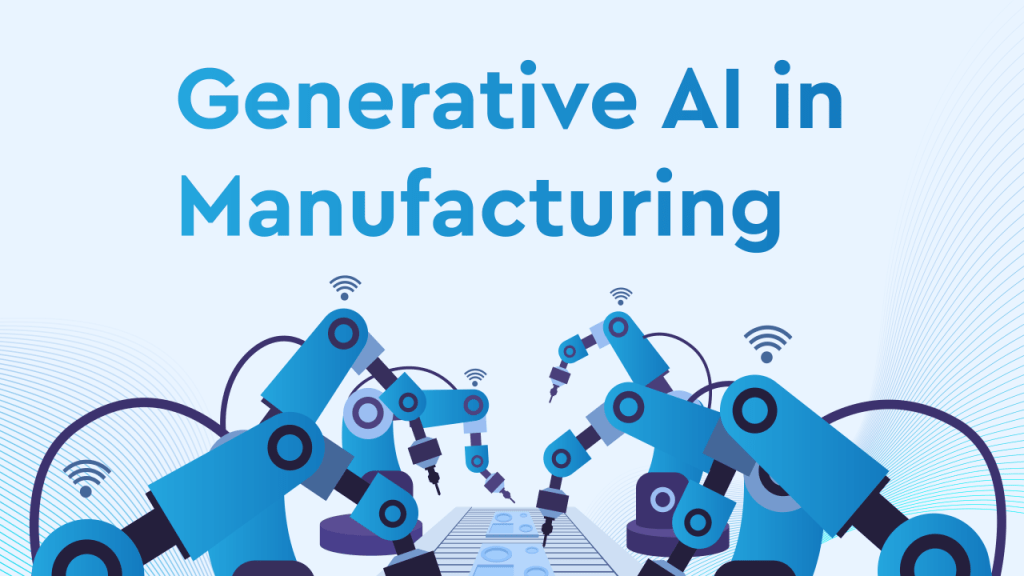
Revolutionizing Manufacturing: Applications of Enterprise Generative AI Platforms
The manufacturing industry is undergoing a transformation driven by cutting-edge technologies. Among these innovations, enterprise generative AI platforms stand out for their potential to revolutionize production processes, enhance efficiency, and drive innovation. This article delves into the various applications of generative AI platform for manufacturing, highlighting how these platforms can significantly improve operational performance and competitiveness.
Introduction to Generative AI Platform for Manufacturing
Understanding Generative AI
Generative AI refers to artificial intelligence systems capable of creating new content, designs, or solutions based on input data. These systems use advanced machine learning techniques, such as neural networks, to analyze data, identify patterns, and generate outputs that mimic human creativity and problem-solving abilities.
The Importance of Generative AI in Manufacturing
In the context of manufacturing, generative AI can optimize design processes, streamline production, and improve product quality. By leveraging vast amounts of data, these AI platforms can provide insights and solutions that enhance every aspect of the manufacturing lifecycle.
Design and Prototyping
Automated Design Generation
One of the most significant applications of generative AI platform for manufacturing is automated design generation. AI algorithms can create multiple design alternatives based on specified criteria, such as material constraints, performance requirements, and aesthetic preferences. This not only accelerates the design process but also ensures more innovative and optimized solutions.
Enhancing Product Prototyping
Generative AI can simulate and analyze various design prototypes, identifying the best possible version before physical prototyping. This reduces the time and cost associated with traditional trial-and-error methods, leading to faster product development cycles.
Production Process Optimization
Process Automation
Generative AI platforms can automate various aspects of the production process, from assembly line tasks to quality control inspections. By learning from historical data, these systems can predict and prevent potential issues, ensuring smoother operations and higher efficiency.
Predictive Maintenance
AI-powered predictive maintenance is another crucial application. By continuously monitoring equipment and analyzing performance data, generative AI platform for manufacturing can predict when machinery is likely to fail. This allows for timely maintenance, reducing downtime and extending the lifespan of equipment.
Quality Control and Assurance
Real-Time Quality Monitoring
Generative AI systems can perform real-time quality monitoring by analyzing production data and detecting anomalies. This ensures that defects are identified and addressed immediately, maintaining high product quality standards.
Automated Inspection Systems
AI-driven inspection systems use computer vision and machine learning to examine products for defects. These systems can perform inspections more accurately and consistently than human inspectors, reducing the risk of defective products reaching customers.
Supply Chain Management
Demand Forecasting
Generative AI can analyze market trends, historical sales data, and other relevant factors to accurately forecast demand. This helps manufacturers plan production schedules and manage inventory more effectively, reducing the risk of overproduction or stockouts.
Supplier Optimization
AI can evaluate supplier performance and optimize supplier relationships. By analyzing data on delivery times, quality, and costs, generative AI can identify the best suppliers for specific needs, ensuring a reliable and efficient supply chain.
Customization and Personalization
Mass Customization
Generative AI enables mass customization by allowing manufacturers to produce tailored products at scale. By analyzing customer data and preferences, AI can design and manufacture products that meet individual needs without compromising efficiency.
Adaptive Manufacturing
AI platforms can adapt manufacturing processes in real-time to accommodate changing customer demands. This flexibility allows manufacturers to offer personalized products and services, enhancing customer satisfaction and loyalty.
Enhancing Sustainability
Resource Optimization
Generative AI can optimize resource usage by analyzing data on energy consumption, material usage, and waste. This leads to more sustainable manufacturing practices, reducing environmental impact and operational costs.
Green Manufacturing Initiatives
AI can support green manufacturing initiatives by identifying opportunities for using eco-friendly materials and processes. This helps manufacturers meet regulatory requirements and appeal to environmentally conscious consumers.
Enhancing Human-Machine Collaboration
Augmented Workforce
Generative AI can augment human capabilities by automating routine tasks and providing decision support. This allows workers to focus on more strategic and creative activities, improving job satisfaction and productivity.
Training and Development
AI-driven training programs can help workers develop new skills and adapt to changing job requirements. By analyzing individual performance and learning patterns, AI can create personalized training plans that enhance workforce capabilities.
Overcoming Implementation Challenges
Data Security and Privacy
Implementing generative AI requires access to large volumes of data, including sensitive company information. Ensuring data security and privacy is crucial to protect against breaches and maintain trust.
Integration with Legacy Systems
Integrating generative AI with existing manufacturing systems can be challenging. It requires careful planning and execution to ensure that AI technologies work seamlessly with legacy systems and provide the desired benefits.
Skill Requirements
Implementing AI in manufacturing necessitates a skilled workforce capable of managing and maintaining AI systems. Investing in training and development programs is crucial to equip employees with the necessary skills.
Future Prospects of Generative AI in Manufacturing
Advanced Automation
The future of manufacturing will see the rise of fully autonomous factories, where AI systems manage all aspects of production. This will lead to unprecedented levels of efficiency and flexibility.
Sustainable Innovation
Generative AI will drive sustainable innovation by optimizing resource usage and reducing waste. This will contribute to environmental conservation and meet the growing demand for eco-friendly products.
Enhanced Human-Machine Collaboration
The collaboration between humans and AI will become more seamless, with AI systems supporting complex decision-making and strategic planning. This will lead to a more dynamic and innovative manufacturing industry.
Conclusion
The integration of enterprise generative AI platforms in manufacturing represents a significant leap forward in the industry. By addressing critical challenges, enhancing efficiency, and improving product quality, generative AI offers transformative benefits that can drive the future of manufacturing.
As generative AI continues to evolve, its role in manufacturing will expand, enabling advanced automation, enhanced human-machine collaboration, and sustainable practices. Embracing generative AI today will pave the way for a more dynamic, innovative, and competitive manufacturing industry tomorrow.
-
Transforming HR: Recent Trends in Enterprise Generative AI Solutions
The human resources (HR) landscape is evolving rapidly, driven by advancements in technology and changing workforce dynamics. Among the most transformative technologies is generative AI, which has begun to revolutionize various HR functions. This article explores the recent trends in enterprise generative AI solutions for human resources, highlighting how these innovations are reshaping the HR domain.

The Rise of Generative AI in HR
What is Generative AI?
Generative AI involves algorithms that can create new content, such as text, images, or audio, based on the data they have been trained on. Unlike traditional AI, which typically follows pre-defined rules, generative AI can produce novel outputs, making it particularly useful for tasks that require creativity and personalization.
Importance of Generative AI in HR
In the HR sector, generative AI solution for human resources can automate repetitive tasks, enhance decision-making processes, and provide personalized experiences for employees. From recruitment to employee engagement, generative AI solutions are becoming indispensable tools for modern HR departments.
Key Trends in Generative AI Solution for Human Resources
1. Automated Talent Acquisition
AI-Powered Resume Screening
One of the most significant trends is the use of generative AI solution for human resources for automating the recruitment process. AI-powered systems can screen resumes, match candidates to job descriptions, and even generate personalized interview questions. This automation speeds up the hiring process and ensures a more objective evaluation of candidates.
Personalized Job Recommendations
Generative AI can analyze candidate profiles and preferences to generate personalized job recommendations. This not only enhances the candidate experience but also helps employers find the best fit for their roles.
2. Enhanced Employee Engagement
Tailored Training Programs
Generative AI is being used to create customized training programs tailored to individual employee needs. By analyzing skills, performance data, and career aspirations, AI can develop personalized learning paths that keep employees engaged and motivated.
Sentiment Analysis and Feedback
AI can analyze employee feedback from surveys, reviews, and social media to gauge sentiment and identify areas for improvement. This real-time analysis helps HR departments address issues promptly and improve overall employee satisfaction.
3. Advanced Performance Management
Predictive Performance Analytics
Generative AI enables predictive analytics that can forecast employee performance trends. By examining historical data, AI can identify potential high performers, areas where employees may need support, and suggest interventions to enhance productivity.
Automated Performance Reviews
AI-driven systems can automate the performance review process by generating fair and consistent evaluations based on data-driven insights. This reduces bias and ensures a more objective assessment of employee performance.
4. Intelligent Workforce Planning
Strategic Talent Management
Generative AI is being used for strategic workforce planning by predicting future talent needs based on current trends and business objectives. This helps HR departments to proactively address skill gaps and ensure they have the right talent in place to meet organizational goals.
Succession Planning
AI can analyze career progression data and identify potential candidates for succession planning. This ensures a smooth transition in leadership roles and helps in maintaining organizational stability.
5. Diversity and Inclusion
Bias Detection and Mitigation
Generative AI can help in identifying and mitigating biases in recruitment, promotions, and other HR processes. By analyzing patterns in data, AI can highlight areas where bias may be present and suggest corrective actions to promote a more inclusive workplace.
Inclusive Job Descriptions
AI can generate job descriptions that are free from gendered language and other biases, attracting a diverse pool of candidates and promoting equality in the hiring process.
Challenges and Considerations
Data Privacy and Security
Ensuring Compliance
Handling sensitive employee data requires stringent data privacy and security measures. Compliance with regulations such as GDPR and CCPA is essential to protect employees’ personal information and maintain trust.
Ethical Considerations
Avoiding Algorithmic Bias
While generative AI offers numerous benefits, it is crucial to address the ethical concerns associated with its use. Ensuring fairness and transparency in AI algorithms is essential to avoid perpetuating biases and discrimination.
Integration with Existing Systems
Seamless Implementation
Integrating generative AI solutions with existing HR systems can be challenging. It requires careful planning and execution to ensure that AI technologies work seamlessly with legacy systems and provide the desired benefits without disruption.
Future Outlook for Generative AI in HR
Hyper-Personalized Employee Experiences
Personalized Career Development
The future of generative AI solution in Human Resources lies in hyper-personalization. AI will enable the creation of highly tailored career development plans, training programs, and employee experiences, ensuring that each employee receives the support and resources they need to thrive.
AI-Driven Decision Making
Enhanced Strategic Planning
Generative AI will play a significant role in strategic HR planning, providing data-driven insights that inform decision-making at all levels. This includes workforce planning, talent management, and succession planning, ensuring that HR departments can proactively address challenges and seize opportunities.
Integration with Emerging Technologies
Blockchain and IoT
The integration of generative AI with emerging technologies such as blockchain and the Internet of Things (IoT) will open new possibilities for HR. Blockchain can enhance data security and transparency, while IoT devices can provide real-time data on employee well-being and performance.
Continuous Learning and Adaptation
Adaptive AI Models
Generative AI models will continue to evolve and adapt to changing business needs. Continuous learning and adaptation will ensure that AI solutions remain relevant and effective in addressing new challenges and opportunities in the HR domain.
Conclusion
Generative AI is poised to transform the HR landscape, offering unprecedented opportunities for automation, personalization, and strategic planning. By staying abreast of the latest trends and developments, HR professionals can harness the power of generative AI to enhance their operations and deliver better outcomes for their organizations.
However, it is crucial to address the challenges associated with data privacy, ethical considerations, and system integration to fully realize the potential of generative AI in HR. As technology continues to evolve, the future of HR will be shaped by innovative AI solutions that drive efficiency, engagement, and strategic success. Embracing these trends today will pave the way for a more dynamic and responsive HR function tomorrow.
-
Revolutionizing IT: The Impact of Enterprise Generative AI Platforms on Industries
In the digital era, enterprise generative AI platforms are becoming indispensable tools for businesses seeking to gain a competitive edge. By harnessing the power of advanced AI algorithms, these platforms transform traditional IT operations, drive innovation, and create new opportunities across various industries. This article explores the profound impact of enterprise generative AI platforms on information technology and how they are reshaping industries.

Understanding Enterprise Generative AI Platforms
What Are Enterprise Generative AI Platforms?
Enterprise generative AI platforms are sophisticated systems that leverage AI technologies, such as Generative Adversarial Networks (GANs), Variational Autoencoders (VAEs), and Transformer models, to generate new content, optimize processes, and enhance decision-making. The generative AI platform for Information Technology is designed to integrate seamlessly with existing IT infrastructures, providing scalable and efficient solutions for a range of business needs.
Key Features
- Scalability: Capable of handling vast amounts of data and complex computations.
- Integration: Seamlessly integrates with existing IT systems and workflows.
- Customization: Tailors AI models to specific business requirements.
- Automation: Automates repetitive tasks, freeing up human resources for strategic activities.
- Security: Ensures data privacy and protection through robust security measures.
Transforming IT Operations
Enhancing Data Management
generative AI platform for Information Technology significantly improves data management by automating data collection, cleaning, and preprocessing tasks. This ensures high-quality data for analysis and decision-making.
Example: IBM’s Watson Data Platform uses AI to automate data preparation, reducing the time and effort required for data management tasks.
Optimizing IT Infrastructure
AI platforms optimize IT infrastructure by predicting resource needs, identifying bottlenecks, and automating maintenance tasks. This results in increased efficiency and reduced operational costs.
Example: Google’s AutoML platform uses AI to optimize cloud resource allocation, ensuring efficient use of computing resources and minimizing downtime.
Automating IT Support
Generative AI automates IT support functions, such as troubleshooting, system monitoring, and user assistance. AI-driven chatbots and virtual assistants provide instant support, enhancing user satisfaction.
Example: ServiceNow’s Virtual Agent uses AI to provide automated IT support, resolving common issues and reducing the workload on human support teams.
Impact on Key Industries
Healthcare
Accelerating Research and Development
generative AI platform for Information Technology accelerates research and development in healthcare by analyzing vast datasets, identifying patterns, and generating hypotheses. This speeds up the discovery of new treatments and medical advancements.
Example: BenevolentAI uses generative AI to analyze scientific literature and biomedical data, accelerating drug discovery and development.
Enhancing Diagnostics
AI-driven platforms improve diagnostic accuracy by analyzing medical images, patient records, and genetic data. This leads to early detection and better patient outcomes.
Example: Zebra Medical Vision uses AI to analyze medical imaging data, providing accurate and early diagnosis of conditions like cancer and cardiovascular diseases.
Finance
Streamlining Financial Services
generative AI platform for Information Technology streamlines financial services by automating tasks such as risk assessment, fraud detection, and customer support. This enhances operational efficiency and reduces costs.
Example: JP Morgan’s COiN platform uses AI to automate document review processes, significantly reducing the time required for legal and regulatory compliance.
Enhancing Investment Strategies
AI platforms analyze market data and generate insights that inform investment strategies. This improves decision-making and increases profitability.
Example: BlackRock’s Aladdin platform uses AI to analyze market trends and optimize investment portfolios, providing better returns for clients.
Manufacturing
Optimizing Supply Chain Management
Generative AI platforms optimize supply chain management by predicting demand, optimizing inventory levels, and improving logistics. This ensures efficient operations and reduces costs.
Example: Siemens’ MindSphere platform uses AI to analyze supply chain data, optimizing inventory management and reducing operational inefficiencies.
Enhancing Product Design
AI-driven platforms assist in product design by generating and optimizing design variations based on specific requirements. This accelerates the design process and improves product quality.
Example: Autodesk’s Fusion 360 uses generative design to create optimized product designs, enhancing innovation and reducing time-to-market.
Retail
Personalizing Customer Experience
Generative AI platforms personalize the customer experience by analyzing customer data and providing tailored recommendations. This increases customer satisfaction and drives sales.
Example: Amazon’s recommendation engine uses AI to analyze customer behavior and suggest products, enhancing the shopping experience and boosting sales.
Optimizing Inventory Management
AI platforms optimize inventory management by predicting demand and ensuring the right products are in stock. This reduces costs and prevents stockouts or overstock situations.
Example: Walmart’s inventory management system uses AI to predict demand and optimize inventory levels, improving operational efficiency.
Overcoming Challenges
Addressing Data Privacy and Security
Handling sensitive data raises concerns about privacy and security. Ensuring robust data protection measures is crucial for maintaining trust and compliance.
Solution: Implement data anonymization, encryption, and compliance with data protection regulations such as GDPR and CCPA.
Ensuring Ethical AI Use
Generative AI models can inherit biases from training data, leading to biased outputs. Ensuring fairness and transparency is essential for ethical AI use.
Solution: Use diverse datasets, implement bias detection mechanisms, and conduct regular audits to ensure fairness and transparency in AI operations.
Managing Computational Costs
Training and deploying generative AI models can be resource-intensive, requiring significant computational power. Optimizing algorithms for efficiency is necessary to manage costs.
Solution: Leverage cloud computing resources, specialized hardware like GPUs and TPUs, and optimize algorithms for efficiency to manage computational costs effectively.
Future Prospects
Expanding AI Capabilities
The future will see expanded AI capabilities, with generative AI platforms becoming more sophisticated and versatile. This will enable more complex and innovative applications across industries.
Example: AI platforms that can generate realistic virtual environments for training simulations, enhancing learning and development in various fields.
Integrating AI with IoT
The integration of AI with the Internet of Things (IoT) will create smart systems that can autonomously monitor, analyze, and optimize operations in real-time.
Example: Smart factories that use AI and IoT to monitor equipment, predict failures, and optimize production processes, ensuring seamless and efficient operations.
Enhancing Human-AI Collaboration
Generative AI will enhance human-AI collaboration, where AI tools assist humans in creative and strategic tasks, leading to more innovative and effective solutions.
Example: AI-assisted brainstorming tools that generate creative ideas and solutions, enhancing innovation in product development and marketing strategies.
Conclusion
Enterprise generative AI platforms are transforming the landscape of information technology and driving innovation across various industries. By enhancing data management, optimizing IT infrastructure, and automating support functions, these platforms offer significant benefits, including increased efficiency, reduced costs, and improved decision-making.
The impact of generative AI extends beyond IT operations, revolutionizing healthcare, finance, manufacturing, and retail by accelerating research and development, streamlining services, optimizing supply chains, and personalizing customer experiences. However, addressing challenges such as data privacy, ethical AI use, and computational costs is crucial for ensuring responsible and effective AI deployment.
As technology continues to evolve, staying informed about emerging trends and innovations will be essential for harnessing the full potential of generative AI platforms. By embracing these technologies, businesses can unlock new opportunities, drive innovation, and create a more efficient and personalized future.
-
Revolutionizing Real Estate: Applications of Enterprise Generative AI Solutions
The real estate industry is witnessing a paradigm shift with the advent of advanced technologies, and among them, generative AI stands out as a game-changer. Enterprise generative AI solutions are transforming how real estate businesses operate, offering unprecedented capabilities in data analysis, customer service, property management, and market forecasting. This article delves into the various applications of enterprise generative AI solutions in real estate, exploring how they enhance efficiency, accuracy, and overall business performance.

The Power of Generative AI in Real Estate
What is Generative AI?
Generative AI refers to artificial intelligence systems that can generate new content, ideas, and solutions based on the data they are trained on. These systems use machine learning models, particularly neural networks, to understand patterns and create new data that mimics the input data.
Why Real Estate Needs Generative AI
The real estate industry involves massive amounts of data, from property details and market trends to customer preferences and financial transactions. Generative AI Solution for Real Estate can process and analyze this data at an unprecedented scale and speed, providing valuable insights and automating complex tasks. This enhances decision-making, customer satisfaction, and operational efficiency.
Transforming Property Management
Predictive Maintenance
Generative AI solution for real estate can predict maintenance needs by analyzing data from various sensors and historical maintenance records. This proactive approach ensures that potential issues are addressed before they become costly problems, extending the lifespan of properties and reducing maintenance costs.
Automated Property Listings
AI can automatically generate property listings based on data from property databases. This includes writing detailed descriptions, creating virtual tours, and even suggesting optimal pricing. Automating these tasks saves time and ensures consistency and accuracy in property listings.
Smart Building Management
Generative AI solution for real estate can optimize the management of smart buildings by analyzing data from IoT devices. This includes controlling heating, ventilation, air conditioning (HVAC) systems, lighting, and security. AI-driven management systems enhance energy efficiency and provide a comfortable living environment for tenants.
Enhancing Customer Experience
Personalized Property Recommendations
By analyzing user behavior and preferences, Generative AI solution for real estate can provide personalized property recommendations to potential buyers and renters. This improves the customer experience by making property searches more relevant and efficient.
Virtual Assistants and Chatbots
AI-powered virtual assistants and chatbots can handle customer inquiries 24/7, providing instant responses and assistance. They can answer questions about property details, schedule viewings, and even assist with the application process. This enhances customer service and frees up human agents to focus on more complex tasks.
Immersive Virtual Tours
Generative AI solution for real estate can create immersive virtual tours that allow potential buyers and renters to explore properties remotely. These tours can include interactive features, such as clickable hotspots with additional information, making the property viewing experience more engaging and informative.
Streamlining Real Estate Transactions
Automated Document Generation
Generative AI can automate the creation of legal documents and contracts, ensuring that all necessary details are included and reducing the risk of errors. This speeds up the transaction process and ensures that all parties have accurate and legally compliant documents.
Fraud Detection
AI systems can analyze transaction data to detect patterns indicative of fraud. By identifying suspicious activities in real-time, generative AI helps protect both buyers and sellers from fraudulent transactions.
Enhanced Due Diligence
During the due diligence process, generative AI can analyze vast amounts of data to assess the risks associated with a property. This includes analyzing market trends, historical data, and legal records. AI-driven due diligence provides a comprehensive risk assessment, enabling more informed investment decisions.
Optimizing Market Analysis and Forecasting
Market Trend Analysis
Generative AI can analyze historical and real-time data to identify market trends. This includes analyzing property prices, rental rates, and demand patterns. Real estate professionals can use these insights to make informed decisions about property investments and pricing strategies.
Price Prediction
By analyzing a wide range of factors, including location, property features, and market trends, generative AI can accurately predict property prices. This helps sellers set competitive prices and buyers make informed purchasing decisions.
Investment Analysis
AI can evaluate potential investment properties by analyzing factors such as location, market conditions, and historical performance. This provides investors with a detailed analysis of the potential return on investment (ROI) and associated risks.
Revolutionizing Real Estate Marketing
Content Creation
Generative AI can create compelling marketing content, including blog posts, social media updates, and email campaigns. This ensures that marketing efforts are consistent and targeted, reaching the right audience with the right message.
Audience Segmentation
By analyzing customer data, AI can segment audiences based on their preferences, behaviors, and demographics. This allows real estate marketers to tailor their campaigns to specific segments, increasing the effectiveness of their marketing efforts.
Ad Campaign Optimization
Generative AI can analyze the performance of advertising campaigns in real-time, making adjustments to optimize results. This includes adjusting targeting parameters, bidding strategies, and creative content to maximize ROI.
Advancing Real Estate Development
Site Selection
AI can analyze multiple factors, including demographic data, market trends, and geographic information, to identify optimal sites for new developments. This helps developers make data-driven decisions about where to invest and build.
Design Optimization
Generative AI can assist architects and designers by generating multiple design options based on specified criteria. This includes optimizing floor plans, materials, and energy efficiency. AI-driven design tools help create buildings that are both functional and aesthetically pleasing.
Project Management
AI can streamline project management by predicting timelines, resource needs, and potential delays. This ensures that real estate development projects are completed on time and within budget.
Addressing Challenges and Ethical Considerations
Data Privacy and Security
With the extensive use of data in AI-driven solutions, ensuring data privacy and security is paramount. Real estate companies must implement robust security measures to protect sensitive information and comply with data protection regulations.
Transparency and Accountability
AI systems must be transparent in their decision-making processes to ensure trust and accountability. Real estate companies should provide clear explanations of how AI solutions work and how decisions are made.
Bias and Fairness
AI systems can inadvertently perpetuate biases present in the data they are trained on. It is crucial to implement measures to identify and mitigate biases, ensuring that AI solutions are fair and equitable.
The Future of Generative AI in Real Estate
Continuous Innovation
The capabilities of generative AI are continually evolving, with ongoing research and development driving new innovations. Real estate companies must stay abreast of the latest advancements to leverage AI’s full potential.
Integration with Emerging Technologies
Generative AI will increasingly integrate with other emerging technologies, such as blockchain and augmented reality (AR). This convergence will further enhance the capabilities and applications of AI in real estate.
Expanding Applications
As AI technology advances, its applications in real estate will continue to expand. Future developments may include AI-driven property inspections, automated tenant screening, and advanced urban planning tools.
Conclusion
The applications of enterprise generative AI solutions in real estate are vast and transformative. From streamlining property management and enhancing customer experience to optimizing market analysis and advancing real estate development, AI is revolutionizing the industry. By addressing challenges and ethical considerations, real estate companies can harness the full potential of generative AI to drive efficiency, innovation, and growth. As technology continues to evolve, the future of real estate will be increasingly shaped by the power of generative AI.
-
The Importance and Role of Enterprise Gen AI Platforms in Transforming the Hospitality Industry
In the dynamic and highly competitive hospitality industry, customer satisfaction, operational efficiency, and innovation are crucial for success. An Enterprise Generative AI (Gen AI) Platform can significantly enhance these aspects by offering advanced capabilities that transform how hospitality businesses operate and serve their guests. This article explores the need and role of Gen AI in hospitality, highlighting its transformative potential and practical applications.
Introduction
The hospitality industry includes a wide range of services such as hotels, resorts, restaurants, and event management. With increasing customer expectations and competition, businesses in this sector must continuously innovate to stay relevant. Enterprise Gen AI Platform for Hospitality provide a powerful solution by leveraging artificial intelligence to improve customer experiences, streamline operations, and drive innovation.
The Need for Enterprise Gen AI Platform for Hospitality
Enhancing Customer Experience
In the hospitality industry, providing a superior customer experience is paramount. Customers today expect personalized services, quick responses, and seamless interactions. Gen AI Platform for Hospitality can meet these expectations by offering tailored recommendations, 24/7 virtual assistance, and personalized promotions. This level of personalization and responsiveness can significantly enhance customer satisfaction and loyalty.
Improving Operational Efficiency
Operational efficiency is another critical factor for success in hospitality. From managing reservations and housekeeping to handling customer inquiries and inventory, there are numerous processes that can benefit from automation and optimization. GenAI can streamline these operations, reducing manual workloads, minimizing errors, and ensuring that resources are used efficiently.
Driving Innovation and Growth
Innovation is essential for staying ahead in the competitive hospitality market. Gen AI Platform for Hospitality enables businesses to innovate by providing new ways to interact with customers, manage operations, and analyze data. These platforms can generate new content, offer predictive insights, and facilitate the development of new services and offerings, driving growth and competitiveness.
Key Roles of Enterprise GenAI Platforms in Hospitality
Personalized Guest Experiences
Customized Recommendations
GenAI platforms can analyze vast amounts of data to provide personalized recommendations for guests. This includes suggesting activities, dining options, and travel itineraries based on individual preferences and past behavior. Personalized recommendations make guests feel valued and enhance their overall experience.
Virtual Concierge Services
A virtual concierge powered by GenAI can assist guests with their inquiries, reservations, and service requests around the clock. These AI-driven assistants can provide quick and accurate responses, improving guest satisfaction and freeing up staff to focus on more complex tasks.
Dynamic Pricing and Promotions
Real-Time Pricing Adjustments
GenAI platforms enable dynamic pricing strategies by analyzing market demand, competitor pricing, and other factors in real time. This allows hospitality businesses to adjust their rates dynamically, maximizing occupancy and revenue while offering competitive prices to guests.
Targeted Promotions
By leveraging customer data, GenAI can create personalized promotions and discounts tailored to individual preferences and booking behaviors. This targeted approach increases the likelihood of conversions and enhances guest satisfaction.
Streamlining Operations
Automated Customer Support
GenAI-powered chatbots and virtual assistants can handle a wide range of guest inquiries, from booking modifications to room service orders. Automating these tasks reduces the workload on human staff and ensures that guests receive prompt and accurate responses.
Predictive Maintenance
GenAI can analyze data from sensors and historical maintenance records to predict when equipment is likely to fail. This proactive approach to maintenance minimizes downtime, reduces costs, and ensures that facilities are always in optimal condition.
Data-Driven Decision Making
Guest Feedback Analysis
GenAI can analyze guest feedback from various sources, such as online reviews and surveys, to identify trends and areas for improvement. This data-driven approach helps businesses address issues proactively and enhance guest satisfaction.
Market Trends and Predictions
GenAI can analyze market trends and predict future developments, enabling hospitality businesses to stay ahead of the curve. Understanding emerging trends allows businesses to adapt their strategies and offerings to meet evolving customer demands.
Practical Applications of GenAI in Hospitality
Enhancing Marketing Efforts
AI-Generated Content
GenAI can create high-quality marketing content, including blog posts, social media updates, and promotional materials. This helps hospitality businesses maintain an active online presence and engage with potential guests effectively.
Visual and Video Content
AI can generate realistic images and videos for marketing purposes, such as virtual tours of hotel properties. This immersive content can attract more guests and enhance their decision-making process.
Personalized Wellness Programs
GenAI can design personalized wellness programs based on guest preferences and health data. These programs can include recommendations for spa treatments, fitness activities, and dietary plans, enhancing the overall guest experience.
Customized Event Planning
AI can assist in planning and organizing events tailored to the specific needs and preferences of guests. This includes everything from corporate conferences to weddings, ensuring that events are memorable and successful.
Challenges and Considerations
Data Privacy and Security
Handling sensitive guest data requires strict adherence to data privacy regulations. Hospitality businesses must implement robust security measures to protect data and ensure compliance with laws such as GDPR and CCPA. Transparency about data usage and security practices is essential for building trust with guests.
Integration with Existing Systems
Integrating GenAI solutions with existing hospitality management systems can be complex. Ensuring seamless implementation and interoperability is crucial for the success of AI initiatives. This may require collaboration with technology partners and investment in integration tools.
Ethical Considerations
The use of AI raises ethical questions, particularly around privacy and bias. Hospitality businesses must ensure that their AI solutions are designed and used responsibly, with measures in place to prevent bias and protect guest privacy. Transparency in AI decision-making processes is crucial for maintaining guest trust.
Future Prospects of GenAI in Hospitality
Continued Technological Advancements
As AI technology continues to evolve, GenAI will become even more sophisticated and capable. Future developments may include more advanced natural language processing, improved image and video generation, and enhanced predictive analytics.
Expanding AI Applications
The range of applications for GenAI in hospitality will expand, including areas such as sustainability, health and safety, and guest wellness. AI could help hotels optimize energy usage, ensure cleanliness standards, and provide personalized wellness programs.
Collaboration with Other Technologies
GenAI will increasingly collaborate with other emerging technologies like IoT, blockchain, and augmented reality. These integrations will create more comprehensive and innovative solutions for the hospitality industry.
Greater Accessibility for Small and Medium-Sized Enterprises
As AI technology becomes more affordable and user-friendly, smaller hotels and hospitality businesses will also be able to leverage GenAI. This democratization of AI will lead to industry-wide improvements in service quality and operational efficiency.
Conclusion
The integration of an Enterprise Generative AI Platform in the hospitality industry offers numerous benefits, from enhancing guest experiences and improving operational efficiency to driving innovation and growth. While there are challenges to address, the potential advantages make GenAI a valuable investment for hospitality businesses. As technology continues to advance, the future of hospitality looks promising, with endless possibilities for creating memorable and personalized guest experiences.
-
Use Cases of Enterprise Generative AI Solution for Legal
Generative AI solutions are transforming various sectors, and the legal industry is no exception. These advanced technologies streamline processes, enhance accuracy, and significantly reduce the time and effort required for many legal tasks. This article explores several key use cases of enterprise generative AI solution for legal field, highlighting their potential to revolutionize legal practices and improve overall efficiency.

Introduction to Generative AI in Legal
What is Generative AI?
Generative AI refers to artificial intelligence systems that generate new content and insights by learning from extensive datasets. These systems utilize machine learning techniques to create text, images, audio, and other types of content, based on patterns and information identified during their training.
Importance of Generative AI in Legal
The legal industry heavily relies on thorough research, document review, and data analysis. Generative AI solution for legal can automate and enhance these tasks, allowing legal professionals to focus on more strategic activities, such as client interactions and case strategy. The integration of generative AI into legal practices promises significant improvements in productivity, accuracy, and efficiency.
Key Use Cases of Generative AI Solution for Legal
1. Legal Research and Analysis
Enhanced Legal Research
Generative AI can significantly enhance legal research by quickly retrieving relevant case law, statutes, and legal literature. AI-powered research tools can understand complex legal queries and provide comprehensive insights, saving lawyers hours of manual research.
Predictive Legal Analysis
AI systems can analyze past case data and judicial behavior to predict potential outcomes of current cases. This predictive analysis helps lawyers develop more effective strategies and manage client expectations better.
2. Contract Management
Automated Contract Drafting
Generative AI can automate the drafting of contracts by using predefined templates and legal standards. AI systems generate initial drafts, identify potential issues, and suggest revisions to ensure compliance and mitigate risks.
Smart Contract Review
AI can assist in reviewing smart contracts, which are self-executing contracts with the terms directly written into code. AI systems can monitor the execution and compliance of these contracts in real time, ensuring that all parties meet their obligations.
3. Litigation Support
E-Discovery
Generative AI enhances the e-discovery process by efficiently identifying and categorizing relevant documents from vast datasets. This reduces the time and cost associated with document review during the discovery phase and improves accuracy.
Virtual Litigation Assistants
AI-powered virtual assistants can provide real-time support during court proceedings. These assistants help lawyers access relevant case law, track court rules, and generate persuasive arguments, improving overall litigation strategy.
4. Regulatory Compliance
Real-Time Monitoring
Generative AI provides real-time monitoring of regulatory changes, ensuring that organizations remain compliant with evolving legal standards. AI systems can analyze updates, assess their impact, and recommend necessary adjustments to policies and procedures.
Automated Compliance Reporting
AI can automate the generation of compliance reports, ensuring that they are accurate, timely, and tailored to specific regulatory requirements. This helps organizations demonstrate compliance to regulators and avoid potential penalties.
5. Intellectual Property Management
Patent and Trademark Analysis
Generative AI can assist in analyzing patent and trademark applications, identifying potential conflicts, and assessing the likelihood of approval. This helps organizations protect their intellectual property and navigate the complex IP landscape.
IP Portfolio Management
AI systems manage IP portfolios by tracking the status of patents and trademarks, monitoring renewal deadlines, and providing strategic insights into IP utilization. This maximizes the value of intellectual property assets.
6. Legal Document Automation
Automated Legal Document Generation
Generative AI can automate the creation of various legal documents, such as briefs, motions, and pleadings. AI systems ensure that these documents are accurate, compliant with legal standards, and tailored to specific case needs.
Document Review and Summarization
AI can review and summarize lengthy legal documents, identifying key points and relevant information. This reduces the time required for document review and helps lawyers quickly understand the content and implications of complex documents.
7. Client Management and Interaction
AI-Powered Chatbots
Generative AI chatbots can handle client inquiries, provide legal information, and assist with client intake processes. These chatbots ensure that clients receive timely and accurate responses, improving overall client satisfaction.
Personalized Client Communication
AI systems can generate personalized communication for clients, such as updates on case progress, legal advice, and reminders for important deadlines. This enhances client engagement and helps build stronger client relationships.
8. Risk Management
Legal Risk Assessment
Generative AI can assess legal risks associated with various business activities by analyzing contracts, compliance requirements, and past legal cases. This helps organizations proactively address potential legal issues and mitigate risks.
Fraud Detection and Prevention
AI systems can detect and prevent fraudulent activities by analyzing patterns and anomalies in financial transactions and other data. This protects organizations from potential legal liabilities and financial losses.
Benefits of Generative AI in Legal
Increased Efficiency
Time Savings
Generative AI significantly reduces the time required for legal research, document review, and other routine tasks. This allows legal professionals to focus on more strategic and value-added activities.
Resource Optimization
By automating repetitive tasks, AI enables law firms to optimize their resources, reducing the need for large teams of paralegals and support staff. This leads to cost savings and improved profitability.
Enhanced Accuracy and Consistency
Reduced Human Error
AI systems minimize the risk of human error in legal research and document review, ensuring that all outputs are accurate and reliable.
Standardized Outputs
Generative AI ensures that all legal documents and analyses adhere to consistent standards, reducing variability and enhancing the overall quality of legal services.
Improved Access to Legal Resources
Democratizing Legal Services
Generative AI democratizes access to legal resources by making advanced legal research tools and services available to smaller firms and individual practitioners.
Bridging the Justice Gap
AI solutions can help bridge the justice gap by providing affordable and accessible legal services to underserved populations, ensuring that more people have access to legal assistance.
Challenges in Implementing Generative AI in Legal
Data Privacy and Security
Protecting Sensitive Information
Ensuring the privacy and security of sensitive legal information is a significant challenge. AI systems must comply with data protection regulations and implement robust security measures to prevent data breaches.
Ethical Considerations
AI systems must address ethical considerations, such as bias and fairness. Ensuring that AI-generated insights are unbiased and transparent is crucial for maintaining trust in AI solutions.
Integration with Existing Systems
Interoperability
Integrating AI solutions with existing legal research tools and systems is essential for their effective implementation. Future advancements will focus on improving interoperability, allowing AI platforms to work seamlessly with other software used by legal professionals.
Scalable Infrastructure
Developing scalable infrastructure is essential for implementing AI solutions across large legal organizations. Cloud computing and other scalable technologies will enable AI platforms to handle vast amounts of data and provide real-time insights.
Training and Acceptance
User Training
Comprehensive training programs are essential to help legal professionals understand and effectively use AI tools. These programs should focus on demonstrating the tangible benefits of AI and building trust in its capabilities.
Change Management
Successfully implementing AI solutions requires effective change management strategies. Legal firms must address resistance to change and foster a culture that embraces innovation and continuous improvement.
Future Trends in Generative AI for Legal
Next-Generation AI Models
Improved Accuracy and Capabilities
Ongoing research will lead to the development of next-generation AI models with even greater accuracy and capabilities. These models will further enhance the quality and efficiency of legal research.
Explainable AI
Future AI systems will focus more on explainability, providing clear and understandable insights into how decisions are made. This will improve trust and adoption among legal professionals.
Broader Integration with Legal Practices
AI in Litigation
AI will play an increasingly important role in litigation, from supporting the discovery process to assisting in courtroom presentations. Future AI systems will provide real-time insights and guidance, helping lawyers build stronger cases.
AI in Legal Education
Generative AI will also transform legal education, providing students with advanced research tools and personalized learning experiences. AI-driven insights will help students understand complex legal concepts and prepare for their legal careers.
Expanding Applications
Cross-Border Legal Research
AI will play a crucial role in enabling cross-border legal research by supporting multiple languages and jurisdictions. This will make it easier for legal professionals to conduct international legal research and understand global legal contexts.
Proactive Legal Management
Generative AI is poised to transform legal management by providing proactive insights into legal risks and opportunities. This will enable organizations to address legal issues before they escalate, ensuring more effective legal risk management.
Conclusion
The future of enterprise generative AI solutions in the legal sector is bright, with immense potential to transform how legal professionals work. From enhancing legal research and document automation to improving litigation support and regulatory compliance, generative AI is set to revolutionize the legal industry. As AI technology continues to evolve, it will bring about significant advancements in efficiency, accuracy, and accessibility, ultimately leading to better legal outcomes and higher client satisfaction.
However, the successful implementation of generative AI solutions will require addressing challenges related to data privacy, integration, ethics, and training. By adopting a strategic and collaborative approach, the legal industry can harness the full potential of generative AI, paving the way for a more innovative and efficient future.
-
Navigating the Latest Advancements in Enterprise Generative AI Platforms for Healthcare
In the ever-evolving landscape of healthcare technology, the integration of artificial intelligence (AI) has emerged as a transformative force, promising to revolutionize the way healthcare is delivered, experienced, and perceived. Among the myriad applications of AI in healthcare, generative AI platforms stand out as innovative tools with the potential to drive significant advancements in patient care, clinical decision-making, and medical research. In this article, we’ll explore the recent developments in enterprise generative AI platform for healthcare, highlighting their capabilities, benefits, and implications for the future of medicine.

Understanding Generative AI Platforms in Healthcare
Deciphering Generative AI
Generative AI represents a branch of artificial intelligence focused on creating new content, such as images, text, and data, based on patterns and information gleaned from existing datasets. In healthcare, generative AI platforms leverage deep learning algorithms to analyze medical data, generate insights, and facilitate decision-making processes.
The Role of Generative AI Platforms in Healthcare
Generative AI platform for healthcare plays a pivotal role by augmenting clinical workflows, enhancing diagnostic accuracy, and facilitating personalized treatment approaches. These platforms empower healthcare providers to leverage vast amounts of data to make informed decisions, predict patient outcomes, and optimize treatment strategies, ultimately leading to improved patient outcomes and satisfaction.
Recent Developments in Enterprise Generative AI Platforms for Healthcare
Advancement #1: Enhanced Medical Image Analysis
Recent developments in generative AI have led to significant advancements in medical image analysis, enabling more accurate and efficient interpretation of diagnostic imaging modalities such as X-rays, MRI scans, and CT scans. AI-powered algorithms can now detect and classify abnormalities with greater accuracy, leading to faster diagnoses and improved patient outcomes.
Advancement #2: Personalized Treatment Planning
Generative AI platforms are increasingly being used to personalize treatment plans based on individual patient characteristics, preferences, and clinical profiles. By analyzing patient data, genetic information, and clinical outcomes, these platforms can recommend tailored treatment strategies that optimize efficacy, minimize side effects, and improve patient adherence.
Advancement #3: Drug Discovery and Development
In the realm of drug discovery and development, generative AI platforms are revolutionizing the way new drugs are discovered, optimized, and brought to market. These platforms leverage advanced algorithms to design novel molecules, predict drug-target interactions, and accelerate the drug development process, leading to faster innovation and more effective therapies.
Advancement #4: Virtual Patient Modeling and Simulation
Recent advancements in generative AI have led to the development of sophisticated virtual patient modeling and simulation tools that mimic real-world physiological processes, disease progression, and treatment outcomes. These virtual models enable researchers and clinicians to conduct virtual clinical trials, simulate surgical procedures, and optimize treatment protocols in a risk-free environment.
Advancement #5: Natural Language Processing for Healthcare Data
Natural language processing (NLP) technologies have been integrated into generative AI platforms to extract valuable insights from unstructured healthcare data, such as clinical notes, medical literature, and patient records. By analyzing and synthesizing this vast amount of textual data, NLP-powered generative AI platforms can generate actionable insights, support clinical decision-making, and facilitate knowledge discovery.
Advancement #6: Ethical and Fair AI
As concerns around bias, fairness, and transparency in AI continue to grow, recent developments in generative AI platforms have focused on ensuring ethical and fair AI practices in healthcare. These platforms incorporate mechanisms to mitigate biases, promote transparency, and uphold ethical standards, ensuring that AI-driven decisions are equitable, accountable, and aligned with patient interests.
Implications and Future Directions
The recent developments in enterprise generative AI platforms for healthcare hold profound implications for the future of medicine and healthcare delivery. As these platforms continue to evolve and mature, they have the potential to reshape clinical practice, medical research, and patient care in unprecedented ways. From personalized treatment planning to drug discovery and virtual patient modeling, generative AI platforms are poised to revolutionize every aspect of healthcare, ultimately leading to more efficient, effective, and equitable healthcare delivery.
Looking ahead, the future of enterprise generative AI platforms for healthcare holds immense promise for driving further innovation and advancements. As technology continues to advance, we can expect to see continued progress in areas such as explainable AI, federated learning, and decentralized AI architectures, enabling more transparent, interoperable, and secure AI-driven healthcare solutions.
Conclusion
In conclusion, the recent developments in enterprise generative AI platforms for healthcare represent a significant milestone in the journey towards more personalized, precise, and patient-centric healthcare delivery. With advancements in medical image analysis, personalized treatment planning, drug discovery, virtual patient modeling, natural language processing, and ethical AI, these platforms are poised to revolutionize healthcare in unprecedented ways. By harnessing the power of generative AI, healthcare organizations can unlock new possibilities for improving patient outcomes, advancing medical research, and transforming the future of medicine. As we continue to navigate the complexities of healthcare in the digital age, the role of generative AI platforms will undoubtedly become increasingly indispensable, shaping the future of healthcare for generations to come.
-
Unlocking the Potential: The Future of Enterprise Generative AI Platform for Finance and Banking
In the ever-evolving landscape of finance and banking, staying ahead of the curve is paramount. With the advent of generative AI platforms, the future of these industries is poised for a transformative shift. These advanced technologies promise to revolutionize operations, enhance customer experiences, and drive innovation like never before.

Let’s delve into the potential of enterprise generative AI platform for finance and banking and explore the exciting possibilities that lie ahead.
Understanding Enterprise Generative AI Platforms
What is Generative AI?
Generative AI refers to a class of artificial intelligence algorithms that can generate new content, such as images, text, or even entire datasets, based on patterns and examples from existing data. Unlike traditional AI models that rely on predefined rules or labeled datasets, generative AI platforms have the ability to create new and unique content autonomously.
The Role of Enterprise Generative AI Platforms
Enterprise generative AI platforms leverage these capabilities to solve complex problems and drive innovation within organizations. In the context of finance and banking, these platforms can analyze vast amounts of financial data, detect patterns, and generate insights to inform decision-making processes. They can also automate repetitive tasks, enhance customer interactions, and facilitate the development of new financial products and services.
The Future Landscape of Finance and Banking
Enhanced Risk Management
One of the key areas where enterprise generative AI platforms will make a significant impact is in risk management. By analyzing historical data and market trends, these platforms can predict and mitigate potential risks more effectively. They can identify anomalies, detect fraudulent activities, and assess creditworthiness with greater accuracy, enabling financial institutions to make informed decisions and minimize losses.
Personalized Customer Experiences
In the future, customer experiences in finance and banking will become more personalized and tailored to individual needs. Enterprise generative AI platforms can analyze customer data, preferences, and behaviors to create personalized recommendations, offers, and services. From customized investment portfolios to personalized financial advice, these platforms will enable banks and financial institutions to deliver seamless and intuitive experiences that resonate with customers.
Innovation in Product Development
Another area where enterprise generative AI platforms will drive innovation is in product development. By generating insights from diverse datasets and market trends, these platforms can identify new opportunities and areas for growth. They can assist in the development of innovative financial products and services that meet the evolving needs of customers, such as AI-powered investment tools, blockchain-based payment solutions, and decentralized finance (DeFi) platforms.
Key Benefits of Enterprise Generative AI Platforms
Increased Efficiency and Productivity
Enterprise generative AI platforms automate repetitive tasks, streamline processes, and enhance operational efficiency within finance and banking organizations. They can handle data analysis, report generation, and customer inquiries, allowing employees to focus on higher-value tasks that require human expertise. This leads to increased productivity, reduced costs, and improved overall efficiency.
Enhanced Decision Making
By generating actionable insights from complex datasets, enterprise generative AI platforms empower decision-makers within finance and banking organizations. These platforms provide real-time analytics, predictive modeling, and scenario planning capabilities that enable informed decision-making across various functions, from risk management to investment strategies. This results in better outcomes, reduced risks, and a competitive edge in the market.
Improved Compliance and Regulatory Compliance
Compliance and regulatory requirements are a significant challenge for finance and banking organizations. Enterprise generative AI platforms can assist in ensuring compliance by analyzing vast amounts of data, detecting potential violations, and flagging suspicious activities. They can also automate compliance processes, such as regulatory reporting and audit trails, to ensure adherence to industry standards and regulations.
Overcoming Challenges and Considerations
Data Privacy and Security
One of the primary concerns surrounding enterprise generative AI platforms in finance and banking is data privacy and security. As these platforms analyze sensitive financial data, there is a need to implement robust security measures to protect against data breaches, unauthorized access, and cyber threats. Organizations must prioritize data privacy and compliance with regulatory requirements to maintain trust and credibility with customers.
Ethical Considerations
Ethical considerations also play a crucial role in the development and deployment of enterprise generative AI platforms. There is a need to ensure transparency, fairness, and accountability in AI algorithms and decision-making processes. Organizations must address biases, discrimination, and unintended consequences that may arise from AI-driven systems to uphold ethical standards and promote trust in the technology.
Talent and Skill Development
Deploying and managing enterprise generative AI platforms requires specialized skills and expertise. Organizations must invest in talent development and training programs to equip employees with the necessary knowledge and capabilities to effectively leverage these technologies. This includes data scientists, AI engineers, and domain experts who can collaborate to develop, deploy, and optimize AI solutions that deliver value to the organization and its customers.
Conclusion
The future of finance and banking is brimming with possibilities, thanks to the transformative potential of enterprise generative AI platforms. These advanced technologies have the power to revolutionize operations, drive innovation, and enhance customer experiences in unprecedented ways. By leveraging the capabilities of generative AI, organizations can unlock new opportunities, overcome challenges, and stay ahead of the competition in an increasingly digital and dynamic landscape. Embracing the future of enterprise generative AI platform is not just a choice—it’s a necessity for success in the finance and banking industry.
-
Implementing an Enterprise Generative AI Platform for Automotive: A Comprehensive Guide
The automotive industry is undergoing a significant transformation driven by advancements in artificial intelligence (AI) technologies. Enterprises within the automotive sector are increasingly turning to generative AI platforms to streamline operations, optimize production processes, and drive innovation. In this comprehensive guide, we explore the key steps and considerations involved in implementing an enterprise generative AI platform for automotive applications.

Understanding Generative AI in Automotive
Generative AI refers to a class of machine learning techniques that enable computers to generate new data samples, images, or designs based on patterns learned from existing data. In the automotive industry, generative AI platform for automotive utilizes neural networks and deep learning algorithms to create innovative designs, simulate real-world scenarios, and optimize manufacturing processes.
Key Steps in Implementing an Enterprise Generative AI Platform
Step 1: Define Objectives and Use Cases
The first step in implementing an enterprise generative AI platform for automotive is to clearly define the objectives and use cases for the technology. Identify specific areas within your organization where generative AI can add value, such as design optimization, predictive maintenance, supply chain management, or autonomous vehicle development.
Step 2: Data Collection and Preparation
Data is the foundation of any AI-driven initiative. Gather relevant data sources, including vehicle telemetry data, sensor data, engineering models, and historical performance data. Cleanse and preprocess the data to remove noise, outliers, and inconsistencies, ensuring that it is suitable for training machine learning models.
Step 3: Model Development and Training
Develop and train generative AI models tailored to your automotive use cases. Utilize deep learning frameworks such as TensorFlow, PyTorch, or Keras to build neural networks capable of generating realistic and high-fidelity outputs. Train the models using labeled datasets and fine-tune them to optimize performance and accuracy.
Step 4: Integration with Existing Systems
Integrate the generative AI platform with existing systems and workflows within your automotive enterprise. Ensure seamless connectivity and data exchange between the AI platform and other software applications, manufacturing equipment, and IoT devices. Leverage APIs and middleware to facilitate integration and interoperability.
Step 5: Validation and Testing
Thoroughly validate and test the generative AI platform to assess its performance, reliability, and scalability. Conduct extensive testing in simulated environments as well as real-world scenarios to evaluate the accuracy of generated outputs and identify any potential limitations or issues.
Step 6: Deployment and Monitoring
Deploy the generative AI platform into production environments and monitor its performance closely. Implement robust monitoring and alerting mechanisms to detect anomalies, track key performance metrics, and ensure continuous optimization and improvement. Regularly update and refine the models based on feedback and new data insights.
Considerations for Successful Implementation
Data Security and Privacy
Ensure compliance with data security and privacy regulations such as GDPR and CCPA when collecting, storing, and processing sensitive automotive data. Implement encryption, access controls, and data anonymization techniques to protect confidential information and mitigate cybersecurity risks.
Ethical and Responsible AI
Adhere to ethical principles and guidelines in the development and deployment of AI technologies within the automotive industry. Avoid biases, discrimination, and unintended consequences by promoting transparency, fairness, and accountability throughout the AI lifecycle.
Talent and Skills Development
Invest in talent and skills development to build a team of AI experts, data scientists, software engineers, and domain specialists capable of implementing and managing generative AI platform effectively. Provide training programs, workshops, and certifications to empower employees with the necessary knowledge and expertise.
Conclusion
Implementing an enterprise generative AI platform for automotive requires careful planning, strategic alignment, and technical expertise. By following the key steps outlined in this guide and considering important considerations such as data security, ethical AI, and talent development, automotive enterprises can harness the power of generative AI to drive innovation, improve efficiency, and gain a competitive edge in the rapidly evolving automotive landscape.
-
Subscribe
Subscribed
Have a WordPress.com account? Log in now.

