The real estate industry is witnessing a paradigm shift with the advent of advanced technologies, and among them, generative AI stands out as a game-changer. Enterprise generative AI solutions are transforming how real estate businesses operate, offering unprecedented capabilities in data analysis, customer service, property management, and market forecasting. This article delves into the various applications of enterprise generative AI solutions in real estate, exploring how they enhance efficiency, accuracy, and overall business performance.
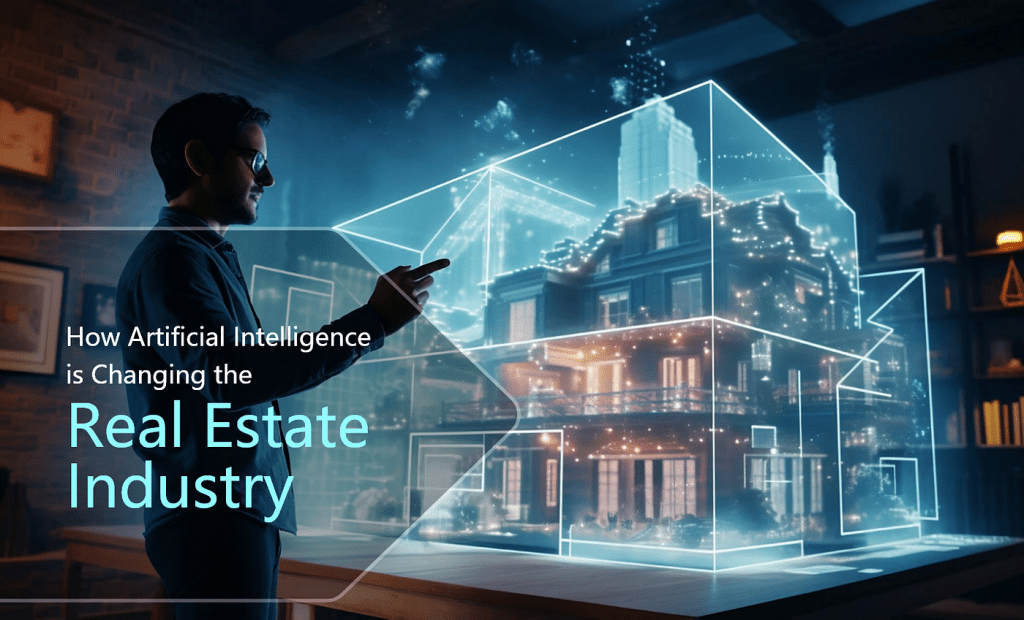
The Power of Generative AI in Real Estate
What is Generative AI?
Generative AI refers to artificial intelligence systems that can generate new content, ideas, and solutions based on the data they are trained on. These systems use machine learning models, particularly neural networks, to understand patterns and create new data that mimics the input data.
Why Real Estate Needs Generative AI
The real estate industry involves massive amounts of data, from property details and market trends to customer preferences and financial transactions. Generative AI Solution for Real Estate can process and analyze this data at an unprecedented scale and speed, providing valuable insights and automating complex tasks. This enhances decision-making, customer satisfaction, and operational efficiency.
Transforming Property Management
Predictive Maintenance
Generative AI solution for real estate can predict maintenance needs by analyzing data from various sensors and historical maintenance records. This proactive approach ensures that potential issues are addressed before they become costly problems, extending the lifespan of properties and reducing maintenance costs.
Automated Property Listings
AI can automatically generate property listings based on data from property databases. This includes writing detailed descriptions, creating virtual tours, and even suggesting optimal pricing. Automating these tasks saves time and ensures consistency and accuracy in property listings.
Smart Building Management
Generative AI solution for real estate can optimize the management of smart buildings by analyzing data from IoT devices. This includes controlling heating, ventilation, air conditioning (HVAC) systems, lighting, and security. AI-driven management systems enhance energy efficiency and provide a comfortable living environment for tenants.
Enhancing Customer Experience
Personalized Property Recommendations
By analyzing user behavior and preferences, Generative AI solution for real estate can provide personalized property recommendations to potential buyers and renters. This improves the customer experience by making property searches more relevant and efficient.
Virtual Assistants and Chatbots
AI-powered virtual assistants and chatbots can handle customer inquiries 24/7, providing instant responses and assistance. They can answer questions about property details, schedule viewings, and even assist with the application process. This enhances customer service and frees up human agents to focus on more complex tasks.
Immersive Virtual Tours
Generative AI solution for real estate can create immersive virtual tours that allow potential buyers and renters to explore properties remotely. These tours can include interactive features, such as clickable hotspots with additional information, making the property viewing experience more engaging and informative.
Streamlining Real Estate Transactions
Automated Document Generation
Generative AI can automate the creation of legal documents and contracts, ensuring that all necessary details are included and reducing the risk of errors. This speeds up the transaction process and ensures that all parties have accurate and legally compliant documents.
Fraud Detection
AI systems can analyze transaction data to detect patterns indicative of fraud. By identifying suspicious activities in real-time, generative AI helps protect both buyers and sellers from fraudulent transactions.
Enhanced Due Diligence
During the due diligence process, generative AI can analyze vast amounts of data to assess the risks associated with a property. This includes analyzing market trends, historical data, and legal records. AI-driven due diligence provides a comprehensive risk assessment, enabling more informed investment decisions.
Optimizing Market Analysis and Forecasting
Market Trend Analysis
Generative AI can analyze historical and real-time data to identify market trends. This includes analyzing property prices, rental rates, and demand patterns. Real estate professionals can use these insights to make informed decisions about property investments and pricing strategies.
Price Prediction
By analyzing a wide range of factors, including location, property features, and market trends, generative AI can accurately predict property prices. This helps sellers set competitive prices and buyers make informed purchasing decisions.
Investment Analysis
AI can evaluate potential investment properties by analyzing factors such as location, market conditions, and historical performance. This provides investors with a detailed analysis of the potential return on investment (ROI) and associated risks.
Revolutionizing Real Estate Marketing
Content Creation
Generative AI can create compelling marketing content, including blog posts, social media updates, and email campaigns. This ensures that marketing efforts are consistent and targeted, reaching the right audience with the right message.
Audience Segmentation
By analyzing customer data, AI can segment audiences based on their preferences, behaviors, and demographics. This allows real estate marketers to tailor their campaigns to specific segments, increasing the effectiveness of their marketing efforts.
Ad Campaign Optimization
Generative AI can analyze the performance of advertising campaigns in real-time, making adjustments to optimize results. This includes adjusting targeting parameters, bidding strategies, and creative content to maximize ROI.
Advancing Real Estate Development
Site Selection
AI can analyze multiple factors, including demographic data, market trends, and geographic information, to identify optimal sites for new developments. This helps developers make data-driven decisions about where to invest and build.
Design Optimization
Generative AI can assist architects and designers by generating multiple design options based on specified criteria. This includes optimizing floor plans, materials, and energy efficiency. AI-driven design tools help create buildings that are both functional and aesthetically pleasing.
Project Management
AI can streamline project management by predicting timelines, resource needs, and potential delays. This ensures that real estate development projects are completed on time and within budget.
Addressing Challenges and Ethical Considerations
Data Privacy and Security
With the extensive use of data in AI-driven solutions, ensuring data privacy and security is paramount. Real estate companies must implement robust security measures to protect sensitive information and comply with data protection regulations.
Transparency and Accountability
AI systems must be transparent in their decision-making processes to ensure trust and accountability. Real estate companies should provide clear explanations of how AI solutions work and how decisions are made.
Bias and Fairness
AI systems can inadvertently perpetuate biases present in the data they are trained on. It is crucial to implement measures to identify and mitigate biases, ensuring that AI solutions are fair and equitable.
The Future of Generative AI in Real Estate
Continuous Innovation
The capabilities of generative AI are continually evolving, with ongoing research and development driving new innovations. Real estate companies must stay abreast of the latest advancements to leverage AI’s full potential.
Integration with Emerging Technologies
Generative AI will increasingly integrate with other emerging technologies, such as blockchain and augmented reality (AR). This convergence will further enhance the capabilities and applications of AI in real estate.
Expanding Applications
As AI technology advances, its applications in real estate will continue to expand. Future developments may include AI-driven property inspections, automated tenant screening, and advanced urban planning tools.
Conclusion
The applications of enterprise generative AI solutions in real estate are vast and transformative. From streamlining property management and enhancing customer experience to optimizing market analysis and advancing real estate development, AI is revolutionizing the industry. By addressing challenges and ethical considerations, real estate companies can harness the full potential of generative AI to drive efficiency, innovation, and growth. As technology continues to evolve, the future of real estate will be increasingly shaped by the power of generative AI.
 Digital Insight Marketing
Leave a comment