Introduction
In today’s interconnected world, the logistics industry plays a pivotal role in driving economic growth by facilitating the movement of goods and services across the globe. However, the sector faces numerous challenges such as inefficiencies, high costs, and operational complexities. To address these challenges and unlock new opportunities for economic development, the integration of advanced technologies has become imperative. Generative Artificial Intelligence (AI) solutions have emerged as powerful tools with the potential to revolutionize the logistics industry and improve the economy worldwide. In this comprehensive article, we explore how Gen AI solution for logistics can drive economic growth in logistics, examining their capabilities, applications, benefits, and broader implications for global prosperity.
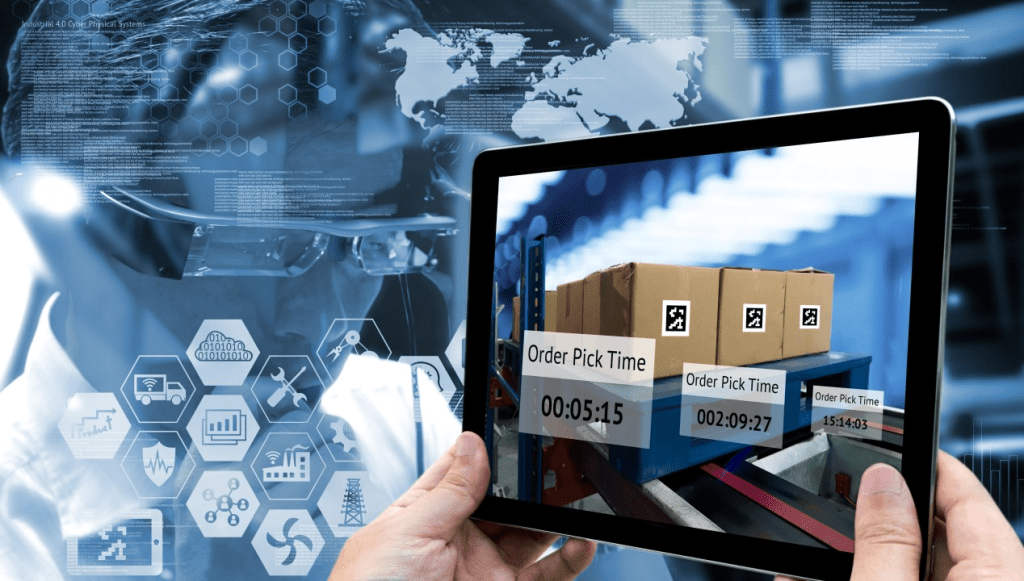
Understanding Generative AI Solutions
Generative AI solutions encompass a wide range of technologies that leverage advanced algorithms to generate synthetic data, simulate complex scenarios, and optimize decision-making processes. These solutions learn from vast datasets to identify patterns, structures, and correlations, enabling them to generate insights, make predictions, and automate tasks. In the context of logistics, Gen AI solution for logistics offers a diverse array of capabilities designed to address specific challenges and enhance operational efficiency.
How Generative AI Solutions Improve the Economy Worldwide
Gen AI solution for logistics has the potential to drive economic growth in the logistics industry through various mechanisms:
1. Enhanced Operational Efficiency
Generative AI solutions optimize logistics operations by streamlining processes, reducing delays, and minimizing resource wastage. By automating routine tasks such as demand forecasting, route optimization, and inventory management, these solutions enable logistics companies to operate more efficiently, thereby reducing costs and improving productivity. Enhanced operational efficiency translates into lower prices for consumers, increased competitiveness for businesses, and overall economic growth.
2. Cost Reduction
Generative AI solutions help logistics companies optimize resource allocation, minimize inventory holding costs, and reduce transportation expenses. By accurately forecasting demand, optimizing routes, and managing inventory levels, these solutions enable companies to reduce wastage, improve asset utilization, and lower operating costs. Cost reduction benefits not only logistics companies but also their customers and stakeholders, leading to increased economic efficiency and competitiveness.
3. Improved Customer Experience
Gen AI solution for logistics enhances the customer experience by ensuring timely deliveries, reducing order fulfillment times, and providing real-time visibility into the status of shipments. By optimizing delivery routes, managing inventory levels, and proactively addressing customer needs, these solutions enable logistics companies to deliver superior service and meet customer expectations. Improved customer experience leads to increased customer loyalty, repeat business, and positive word-of-mouth referrals, ultimately driving economic growth.
4. Facilitation of International Trade
Generative AI solutions facilitate international trade by simplifying customs clearance processes, optimizing shipping routes, and reducing transit times. By providing real-time visibility into the movement of goods, automating documentation tasks, and ensuring compliance with regulatory requirements, these solutions enable logistics companies to expedite cross-border transactions and minimize trade barriers. Facilitation of international trade promotes economic integration, fosters economic cooperation, and stimulates economic growth worldwide.
5. Innovation and Technological Advancement
Generative AI solutions drive innovation and technological advancement in the logistics industry by enabling companies to leverage data-driven insights, optimize processes, and develop new capabilities. By investing in research and development, fostering collaboration with technology partners, and adopting cutting-edge technologies, logistics companies can stay ahead of the curve and capitalize on emerging opportunities. Innovation and technological advancement fuel economic growth by creating new markets, generating employment opportunities, and driving productivity gains across industries.
6. Sustainable Practices
Generative AI solutions promote sustainability in the logistics industry by optimizing resource utilization, reducing carbon emissions, and minimizing environmental impact. By optimizing delivery routes, consolidating shipments, and adopting eco-friendly transportation modes, these solutions enable logistics companies to achieve their sustainability goals while reducing operating costs. Sustainable practices contribute to economic growth by enhancing corporate reputation, attracting socially responsible investors, and mitigating long-term environmental risks.
Case Studies: Demonstrating the Impact of Gen AI Solution for Logistics on Economic Growth
Case Study 1: DHL
DHL, one of the world’s largest logistics companies, leverages Generative AI solutions to optimize its operations and drive economic growth. By implementing demand forecasting, route optimization, and inventory management solutions, DHL can reduce costs, improve efficiency, and enhance customer satisfaction. This enables the company to expand its market presence, create jobs, and contribute to economic development in regions around the world.
Case Study 2: Alibaba
Alibaba, a global e-commerce giant, utilizes Gen AI solution for logistics to manage its complex logistics network and support its rapid growth. By deploying supply chain management, risk mitigation, and predictive analytics solutions, Alibaba can streamline its operations, mitigate risks, and ensure timely deliveries to customers worldwide. This enables the company to drive economic growth by expanding its market reach, creating employment opportunities, and driving innovation in the logistics sector.
Benefits of Generative AI Solutions for Worldwide Economy
The adoption of Gen AI solution for logistics industry offers several benefits for the worldwide economy:
- Increased Efficiency: Streamlining operations, reducing costs, and improving productivity.
- Cost Reduction: Optimizing resource allocation, minimizing wastage, and lowering operating expenses.
- Improved Customer Experience: Ensuring timely deliveries, reducing order fulfillment times, and enhancing service quality.
- Facilitation of International Trade: Simplifying customs clearance processes, expediting cross-border transactions, and promoting economic integration.
- Stimulation of Innovation: Driving technological advancement, fostering collaboration, and creating new opportunities for growth.
- Promotion of Sustainability: Adopting eco-friendly practices, reducing carbon emissions, and mitigating environmental impact.
Future Outlook
As Generative AI continues to evolve and mature, its impact on economic growth in the logistics industry is expected to become even more significant. With advancements in machine learning, deep learning, and predictive analytics, Generative AI solutions will enable logistics companies to achieve unprecedented levels of efficiency, agility, and sustainability. By embracing Generative AI solutions, governments, businesses, and stakeholders can unlock new opportunities for economic development, job creation, and shared prosperity worldwide.
Conclusion
Generative AI solutions have the potential to drive economic growth in the logistics industry by enhancing operational efficiency, reducing costs, improving the customer experience, facilitating international trade, stimulating innovation, and promoting sustainability. As logistics companies increasingly adopt Generative AI solutions, the worldwide economy stands to benefit from increased productivity, competitiveness, and resilience. By harnessing the power of Generative AI, governments, businesses, and stakeholders can pave the way for a more prosperous and sustainable future for all.
 Digital Insight Marketing
Leave a comment