As we stand at the precipice of the Fourth Industrial Revolution, the manufacturing industry is on the cusp of a transformative evolution propelled by emerging technologies such as Generative AI. Generative AI solutions have already begun to revolutionize traditional manufacturing processes, driving innovation, efficiency, and customization. However, the future holds even greater promise, as Generative AI continues to advance, unlocking new opportunities and reshaping the manufacturing landscape in unprecedented ways. This article delves into the future of Gen AI solutions for manufacturing, exploring emerging trends, technologies, and applications that will define tomorrow’s factories.
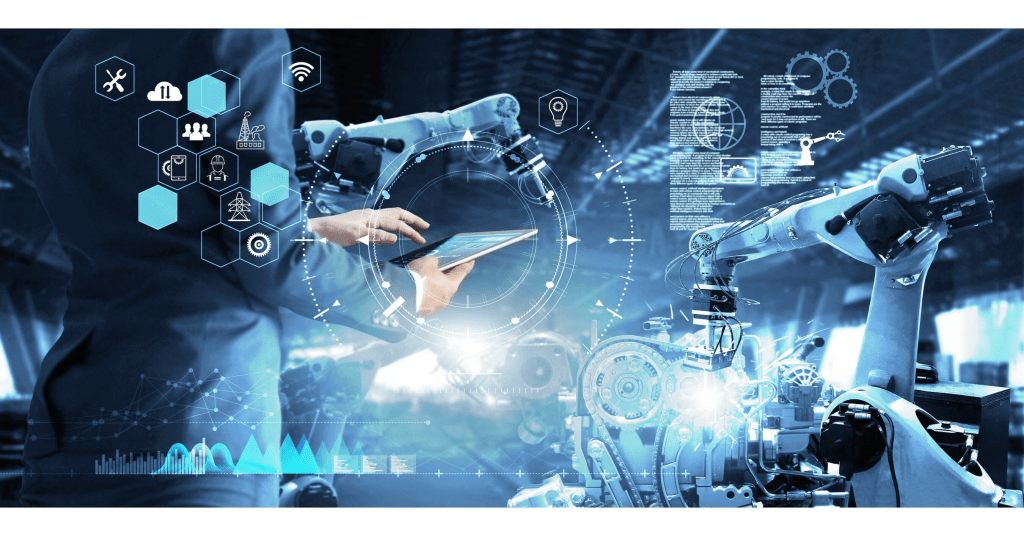
Introduction to the Future of Generative AI in Manufacturing
The future of manufacturing is intricately intertwined with the evolution of Generative AI solutions, which are poised to play a central role in driving innovation, efficiency, and competitiveness in the global marketplace. As Generative AI continues to advance, manufacturers can expect to see transformative changes across various aspects of the production process, from design and production planning to quality control and supply chain management. By harnessing the power of advanced algorithms, machine learning techniques, and vast datasets, Gen AI solution for manufacturing will enable manufacturers to unlock new opportunities, overcome challenges, and thrive in an increasingly digital and interconnected world.
Advancements in Design Innovation
One of the key areas where the future of Generative AI in manufacturing holds immense promise is in design innovation. As Generative AI algorithms become more sophisticated and capable, manufacturers can expect to see a proliferation of novel designs and product concepts that push the boundaries of creativity and functionality.
AI-Driven Design Inspiration
Generative AI solutions will empower designers and engineers with new tools and capabilities to explore innovative design concepts and generate novel solutions. By analyzing vast datasets of historical designs, market trends, and user preferences, Generative AI algorithms will provide designers with inspiration and recommendations for creating cutting-edge products that resonate with consumers and drive market differentiation.
Generative Design for Sustainability
In the future, Gen AI solution for manufacturing will play a crucial role in designing sustainable products and optimizing manufacturing processes to minimize environmental impact. By considering factors such as material usage, energy consumption, and lifecycle analysis, Generative AI algorithms will enable manufacturers to generate designs that prioritize sustainability and minimize carbon footprint. This focus on sustainability will not only align with regulatory requirements and consumer preferences but also drive cost savings and operational efficiencies.
Co-Creative Design Collaboration
Generative AI solutions will facilitate collaborative design processes by enabling designers, engineers, and other stakeholders to co-create and iterate on designs in real-time. By leveraging cloud-based platforms and collaborative tools, teams can collaborate seamlessly across geographical boundaries, share ideas, and iterate on designs iteratively. This co-creative design collaboration will foster innovation, accelerate time-to-market, and drive competitive advantage in a rapidly changing market landscape.
Transformation of Production Processes
In addition to driving design innovation, the future of Generative AI in manufacturing will see transformative changes in production processes, as manufacturers leverage advanced algorithms and automation technologies to optimize efficiency and flexibility.
Autonomous Production Systems
Generative AI solutions will enable the development of autonomous production systems that are capable of self-optimization and adaptation in response to changing production demands. By integrating AI algorithms with robotics, IoT sensors, and real-time data analytics, manufacturers can create production systems that can autonomously adjust production schedules, optimize workflows, and respond to disruptions in real-time. This autonomy will enable manufacturers to achieve unprecedented levels of efficiency, agility, and resilience in the face of uncertainty and complexity.
Hyper-Personalized Manufacturing
The future of Generative AI in manufacturing will see the emergence of hyper-personalized manufacturing, where products are customized to individual customer preferences and requirements at scale. By leveraging AI algorithms for mass customization, manufacturers can offer a wide range of personalized products that cater to diverse consumer tastes and preferences. Whether it’s customized apparel, personalized consumer electronics, or tailored automotive components, Generative AI solutions will enable manufacturers to deliver products that are uniquely tailored to each customer, driving customer satisfaction and loyalty.
Agile Supply Chains
Gen AI solution for manufacturing will revolutionize supply chain management by enabling agile, responsive, and resilient supply chains that can adapt quickly to changing market conditions and disruptions. By leveraging AI algorithms for demand forecasting, inventory optimization, and logistics planning, manufacturers can optimize supply chain operations to minimize lead times, reduce costs, and improve reliability. This agility will enable manufacturers to respond rapidly to shifts in customer demand, mitigate risks, and capitalize on market opportunities in a dynamic and competitive environment.
Enhancements in Quality Control and Assurance
The future of Generative AI in manufacturing will see significant advancements in quality control and assurance, as manufacturers leverage AI-powered analytics and automation technologies to detect defects, prevent quality issues, and ensure product reliability.
Predictive Quality Analytics
Gen AI solution for manufacturing will enable predictive quality analytics that can anticipate potential defects and quality issues before they occur. By analyzing production data, sensor readings, and historical performance metrics, AI algorithms can identify patterns and anomalies that may indicate impending quality issues and trigger proactive interventions to prevent defects from occurring. This predictive approach to quality control will minimize scrap and rework, reduce warranty claims, and enhance product reliability and performance.
Real-Time Monitoring and Alerting
Generative AI solutions will provide real-time monitoring and alerting capabilities that enable manufacturers to detect quality deviations and anomalies in real-time. By integrating AI algorithms with sensors, cameras, and IoT devices, manufacturers can monitor production processes continuously and identify deviations from expected norms that may indicate quality issues. This real-time monitoring enables manufacturers to take immediate corrective actions, minimize production disruptions, and ensure that only high-quality products reach the market.
Autonomous Quality Inspection
In the future, Generative AI solutions will enable autonomous quality inspection systems that can perform automated inspection and testing of products with minimal human intervention. By leveraging AI algorithms for image recognition, pattern recognition, and defect detection, manufacturers can develop autonomous inspection systems that can identify defects, anomalies, and deviations from quality standards with high accuracy and reliability. This automation of quality inspection processes will improve efficiency, reduce labor costs, and enhance product quality and consistency.
Conclusion: Embracing the Future of Generative AI in Manufacturing
The future of Generative AI in manufacturing is bright and promising, as manufacturers harness the power of advanced algorithms, automation technologies, and data analytics to drive innovation, efficiency, and competitiveness. From accelerating design innovation to transforming production processes and enhancing quality control, Generative AI solutions offer a myriad of opportunities for manufacturers to thrive in a rapidly changing market landscape. By embracing the future of Generative AI in manufacturing, manufacturers can unlock new possibilities, overcome challenges, and build a sustainable future for the industry.
 Digital Insight Marketing
Leave a comment